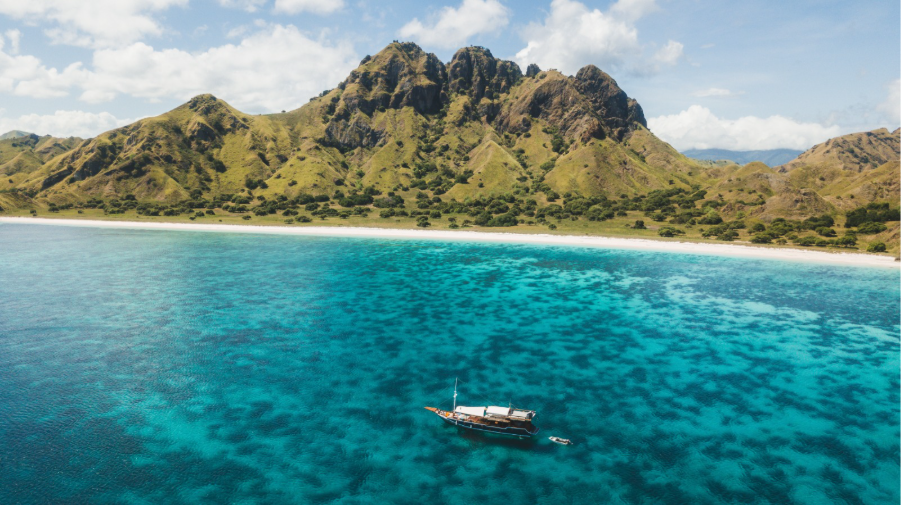
Komodo become one of the most popular destinations in Indonesian archipelago right after Bali. No wonder, Komodo sailing trip become favourite among those who want lounging on a sun deck surrounded by flat turquoise waters.
Whether you want to dive with marine giants or hike to see ancient reptiles, the day you choose to travel changes everything. This guide breaks down every single month so you can plan the perfect Komodo sailing trip. From weather patterns to wildlife seasons, you will know exactly when to pack your bags and set sail.
Why Timing Matters for a Komodo Sailing Trip
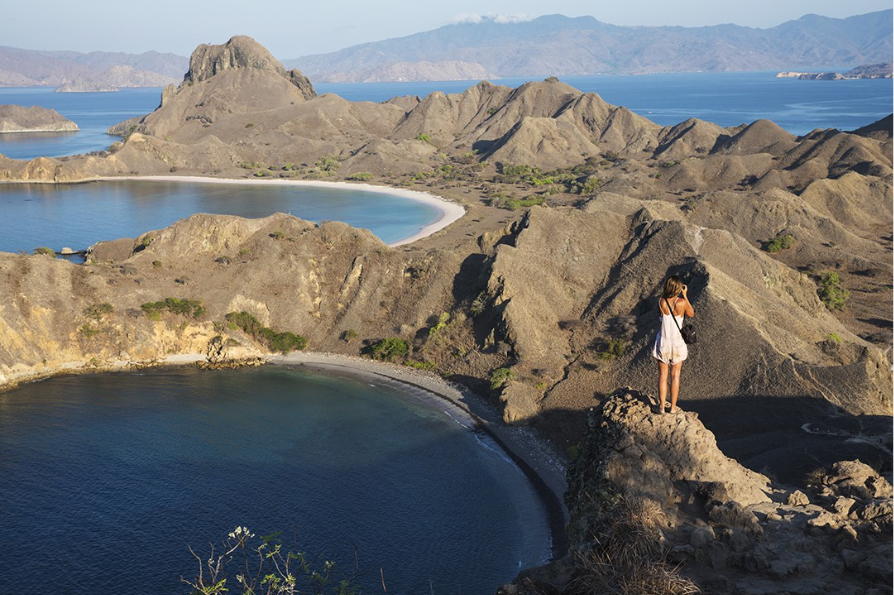
When planning your vacation, the date and month that you choose is so important because you need to make sure the weather and tide condition match your travel style.
1. Sea Conditions
The weather directly impacts sea conditions, which in turn affects your overall Komodo liveaboard experience. During certain months, the ocean is as calm as a swimming pool, making for smooth sailing and peaceful nights sleeping on the water.
In other months, winds pick up, bringing choppy waves that can make cruising uncomfortable for those prone to seasickness.
2. Wildlife Encounters
Timing also controls the animals you will see. If you want to swim with majestic manta rays, spot elusive whale sharks, or safely observe the famous Komodo dragons, you must align your trip with their natural habits.
3. Seasonal Overview
As a summary, the dry season runs from April to October, offering sunny skies and smooth sailing. The wet season spans from November to April, bringing rain showers, lush green landscapes, and changes in the ocean's currents.
You can also explore Hello Flores’ yachts to arrange your Komodo Liveaboard based on your date visit in Komodo.
Month-by-Month Breakdown — When to Visit Komodo
To help you choose the best time for your schedule, here is a clear, scannable look at what to expect throughout the year:
1. January–February
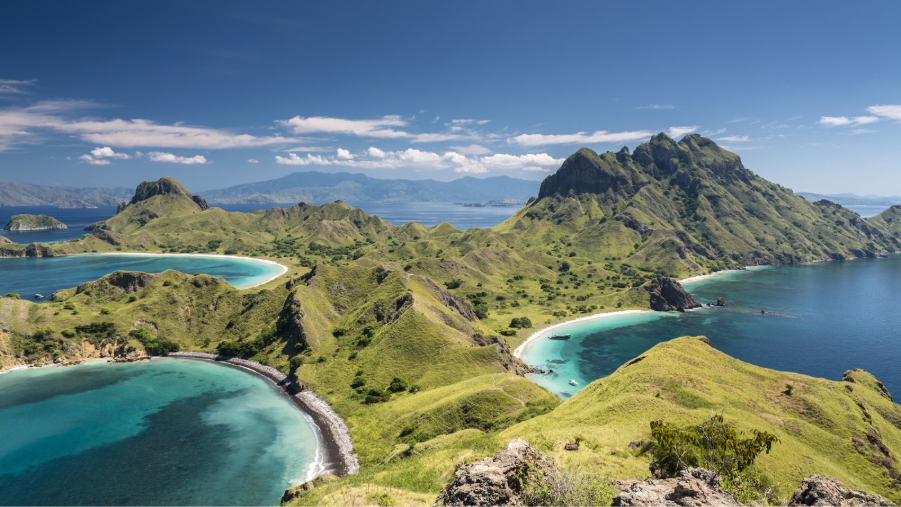
This is the peak of the wet season. You can expect rougher seas, frequent rain showers, and overcast skies. Because it is the off-peak season, you will find lower prices and very few crowds. This time is good for budget and adventurous travellers who don't mind a bit of rain.
2. March–April
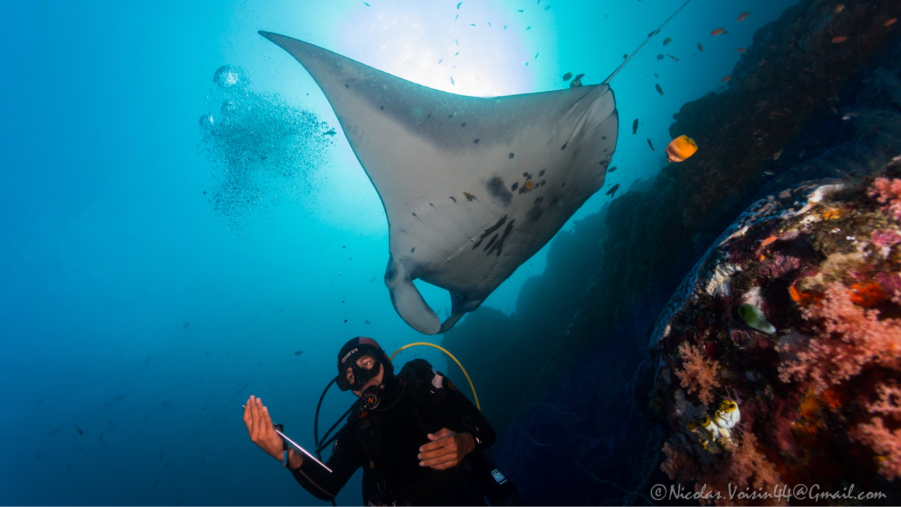
These are the transition months. The heavy rains begin to slow down, and the seas start calming. This is an exciting time because the manta ray season begins to hit its stride. You can often find excellent shoulder season deals on a Komodo tour before the summer crowds arrive.
3. May–June
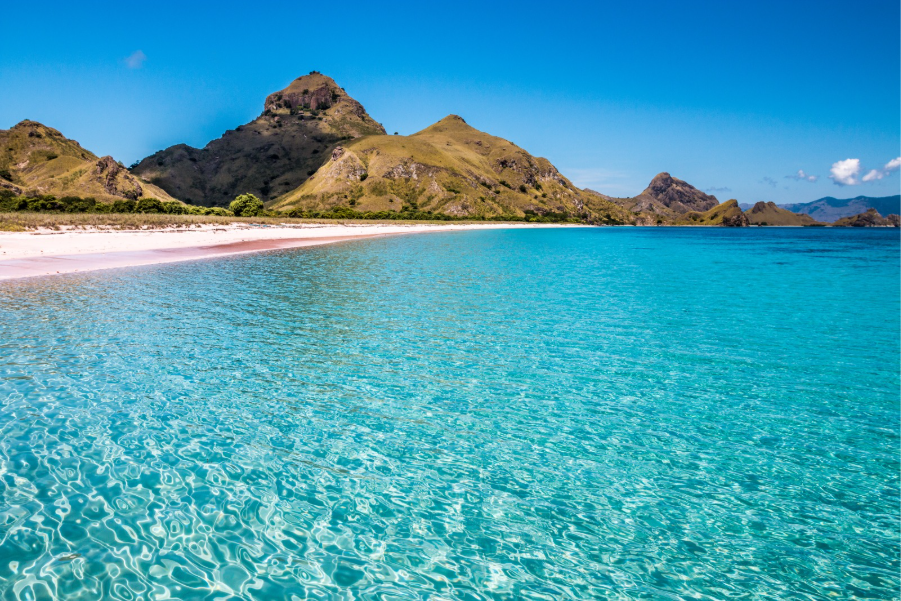
This marks the start of the dry season and is widely considered one of the best times to visit. The underwater visibility is excellent, making it a dream for snorkelers and divers.
The islands are still green from the wet season, and the crowds are very manageable. Highly recommended to visit.
4. July–August
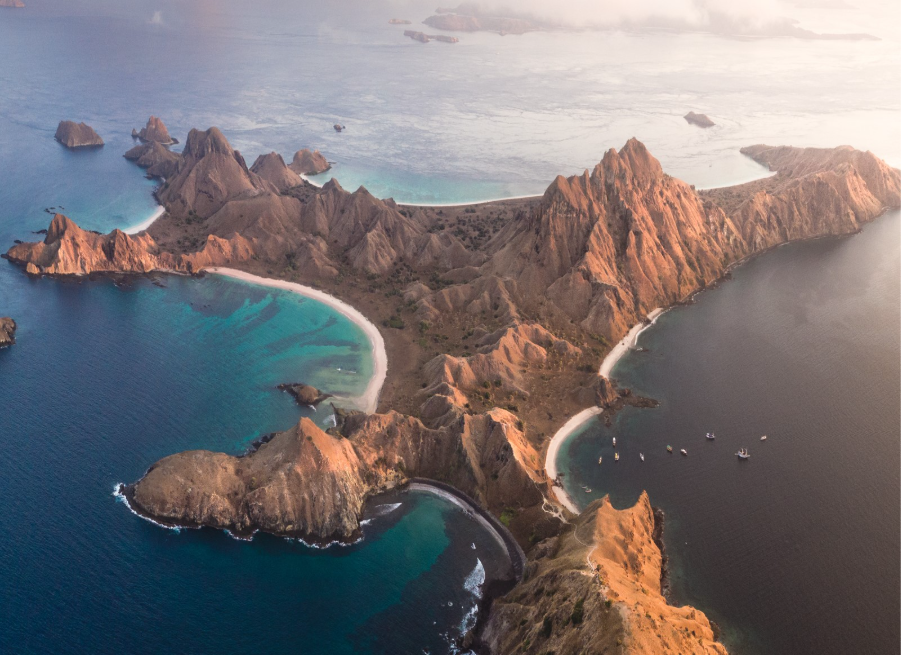
This period is when Komodo feels crowded. You will experience ideal conditions with calm seas, abundant marine life, clear blue skies, and the absolute best diving visibility. Because the weather is perfect, this is the busiest time of year. You must book your trip well in advance.
5. September–October
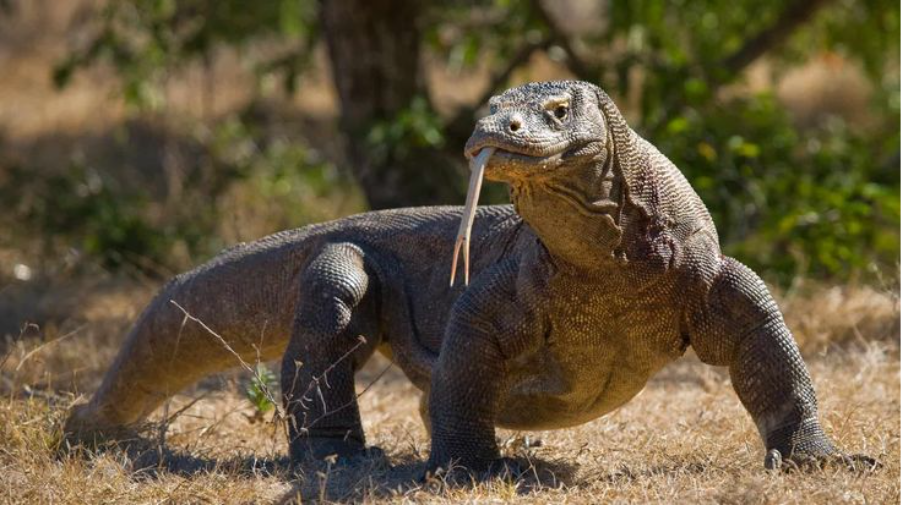
The weather is still dry and sunny, but the national park is slightly less crowded than in July and August. The islands take on a beautiful, rugged brown savanna look. Crucially, this is when the whale shark season peaks, offering a once-in-a-lifetime swimming experience.
6. November–December
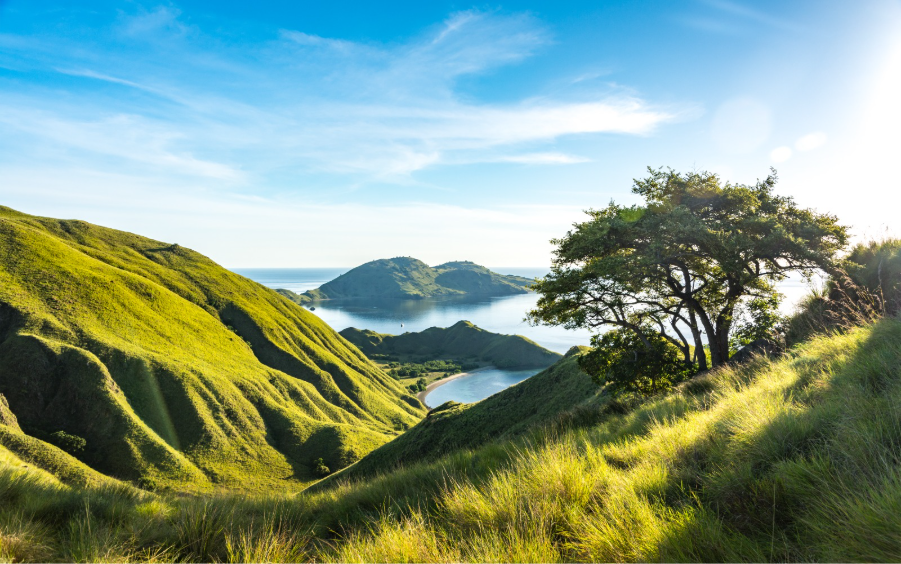
This is the end of the dry season transitioning back into the wet season. The weather can be unpredictable, but early November can still offer great sailing conditions before the heavy rains arrive in late December.
Best Time to See Manta Rays in Komodo
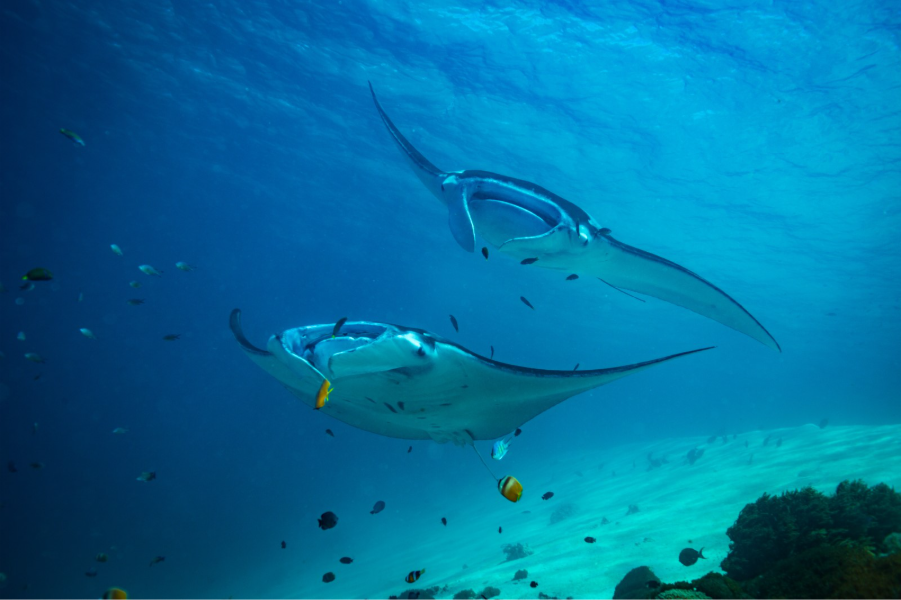
For many visitors, swimming alongside gentle giant manta rays is the highlight of their trip. If diving in Komodo is on your bucket list, please remember that the manta season runs primarily from December to April.
The best place to dive or snorkel with these creatures is at Manta Point, also known as Karang Makassar (Taka Makassar). This shallow drift dive is a famous cleaning station where mantas gather to have small fish clean their skin.
The conditions that make for the best manta encounters usually involve strong ocean currents, which bring the nutrient-rich excellent on. While swimming with them is magical, remember the rules of responsible wildlife tourism such as never touch the mantas, give them plenty of space, and let them approach you on their terms.
Best Time to See Komodo Dragons on a Sailing Trip
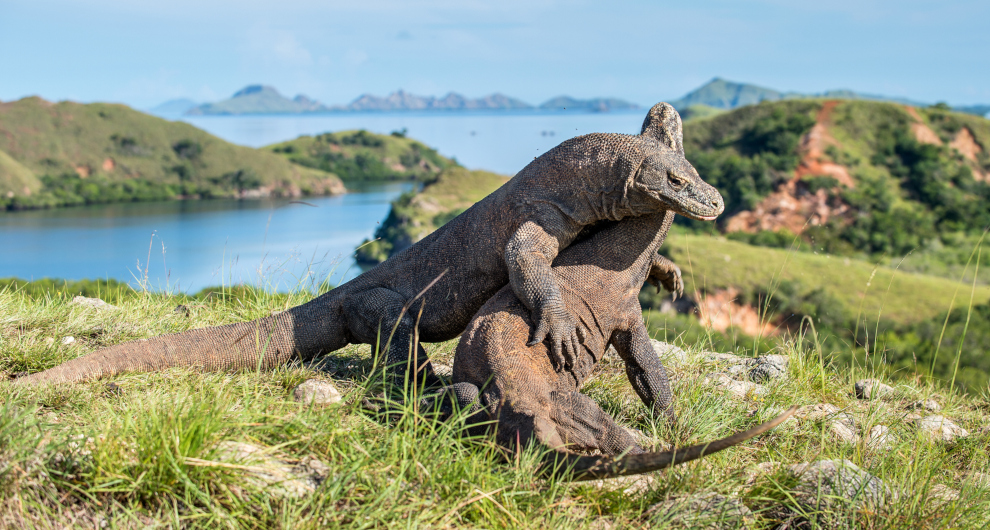
A Komodo sailing trip isn't complete without discovering the Komodo Dragons that give the park its name. Fortunately, these prehistoric giants are active and visible year-round.
The Dry Season (May – October)
For the best sightings, visit during the dry season. As cold-blooded reptiles, the dragons are frequently found sunbathing in the open when the weather is clear.
Mating & Nesting Season
The excitement peaks between July and August during the mating season, which can begin as early as May. This is the best time to witness raw nature, as males fight for dominance and search for mates.
This mating season is significant because once it ends, the dragons return to their solitary lives. The focus then shifts as females begin to lay their eggs; this usually happens in September, when females start seeking suitable nesting sites and males return to wandering in search of food.
Pro Tips for Your Visit Komodo Island
- Morning Treks: Regardless of the season, morning hikes are essential. Dragons retreat into the shade once the midday heat hits, making them harder to spot in the afternoon.
- Rinca vs. Komodo Island: While both islands host the dragons, Rinca Island is often the top choice. Its open landscape makes spotting wildlife easier, and its proximity to the main port saves travel time.
- Safety First: Always follow your ranger’s instructions. These experts ensure you get the best views while maintaining a safe distance from the apex predators.
Dry Season vs Wet Season — A Quick Comparison
If you are still deciding between the two main seasons, here is a quick guide to help you compare the conditions:
| Feature | Dry Season (May–Oct) | Wet Season (Nov–Apr) |
| Sea conditions | Calm, ideal for sailing | Rough, strong winds |
| Diving visibility | Excellent (15–30m) | Reduced |
| Manta rays | End of season → peak | Peak season |
| Komodo dragons | Most active | Active but humid |
| Crowds | High (Jul–Aug) | Low |
| Price | Higher | Lower |
| Recommended for | First-timers, families | Experienced travellers, budget |
How Many Days Do You Need for a Komodo Sailing Trip?
The length of your trip can drastically change your experience. While actual routes can vary slightly depending on the weather and the boat, here is a breakdown of how many days that you need for Komod tour.
1. 3D2N (3 Days, 2 Nights)
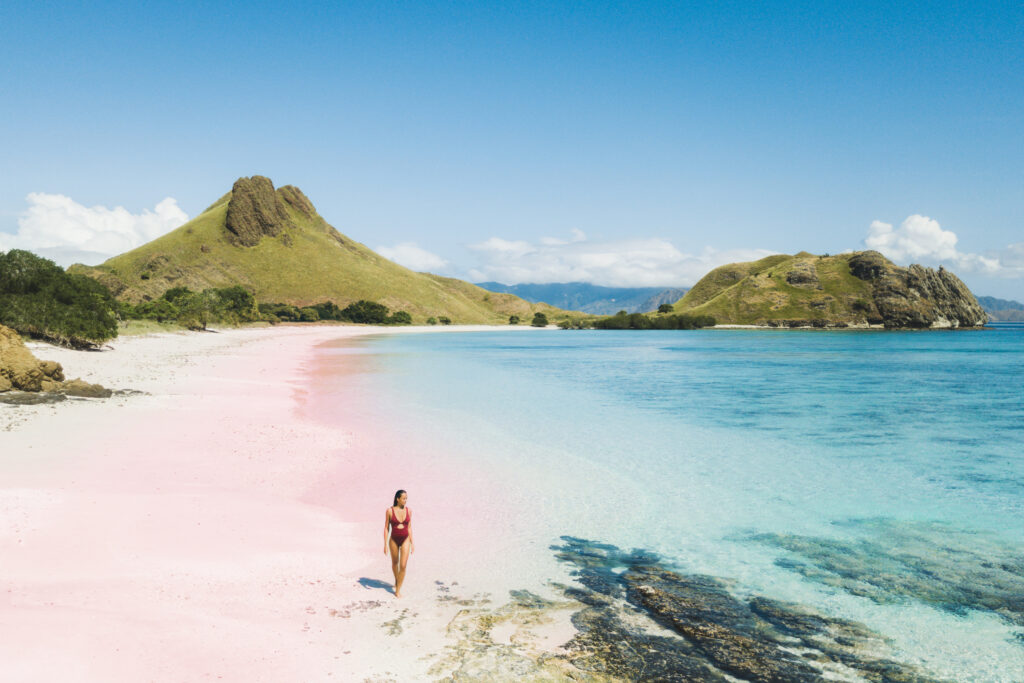
This is the most popular option and gives you enough time to comfortably cover the absolute must-see highlights. Your journey will include trekking for the famous breathtaking view at Padar Island, swimming at Pink Beach, and looking for giants at Manta Point.
You will also spot the legendary dragons at Rinca Island or Kampung Komodo, watch thousands of bats fly at sunset at Kalong, and enjoy world-class snorkeling at Siaba Besar, Manjarite, and Kelor Island.
2. 4D3N (4 Days, 3 Nights)
This adds an extra day for a more immersive experience without feeling rushed. You will enjoy all the classic stops from the 3-day trip, plus you will have time to explore further.
This itinerary usually adds a scenic hike up the beautiful rolling savannah hills of Gili Lawa Darat and a stop at Kanawa Island, which is famous for its family-friendly shallow reefs teeming with sea turtles and reef sharks.
3. 5D4N (5 Days, 4 Nights)
This is the ultimate, unhurried Komodo adventure. You get to reach more remote locations that shorter trips simply cannot fit in. Along with the 4-day route, you will visit places like Pengah Island to explore thriving coral reefs and see Pink Rock (Nisa Purung), a striking strawberry-hued rock formation rising beautifully out of the turquoise waters.
As a general recommendation, if you are visiting during the peak season (July–August), try to book a longer trip. Having an extra day allows your captain to adjust the schedule to avoid the biggest crowds at popular spots.
Private Charter vs Shared Cruise — Which Suits Your Trip?
When booking your journey, you have two main choices: booking a private Komodo boat charter or joining a shared cabin cruise. Here the details of shared cruise vs private charter in Komodo, and which best for you.
1. Private Charter
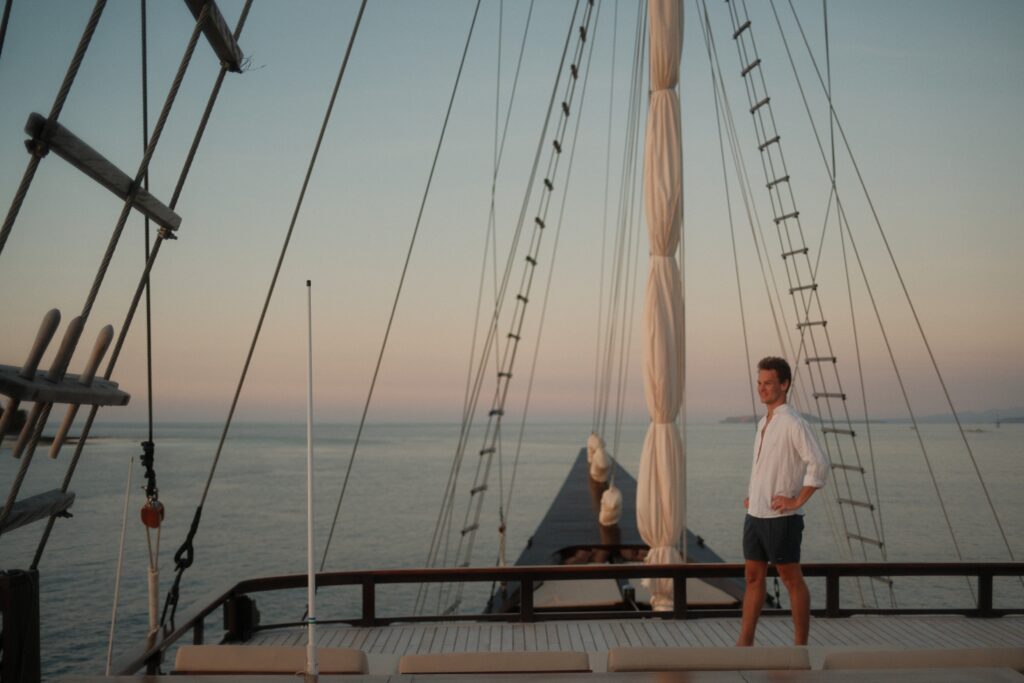
A private charter gives you ultimate flexibility. You can choose your own schedule, linger longer at beaches you love, and enjoy total privacy. This is highly recommended for families, groups of friends, and couples on a romantic getaway.
2. Shared Cruise
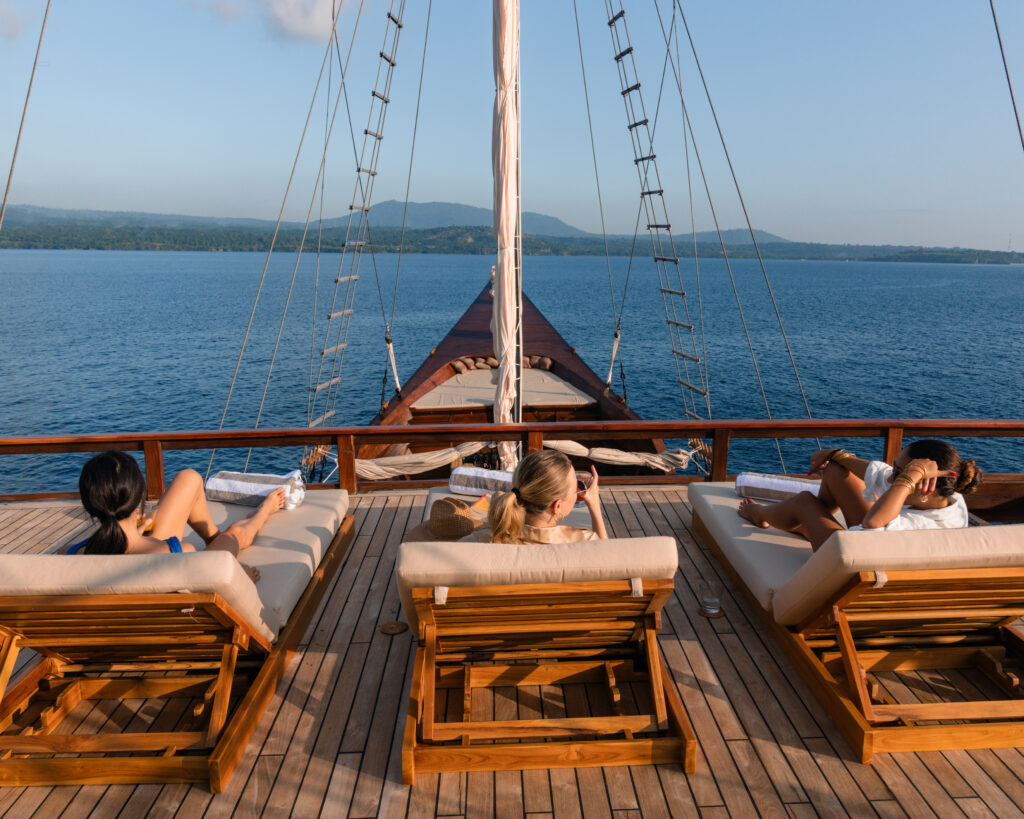
On the other hand, a shared cruise is much more budget friendly. It is highly social, allowing you to meet other travelers, but it follows a strict, fixed itinerary.
The time of year heavily affects availability. If you are traveling during the peak season (July and August), a major tip is to remember that private charters book out months in advance. If you want a private boat in the summer, start planning early!
Yachts You Can Charter for a Komodo Sailing Trip
Hello Flores curates, a hand-picked fleet of liveaboards across all budgets and group size, here are some of the best options for each season:
1. The Oracle Yacht Charter
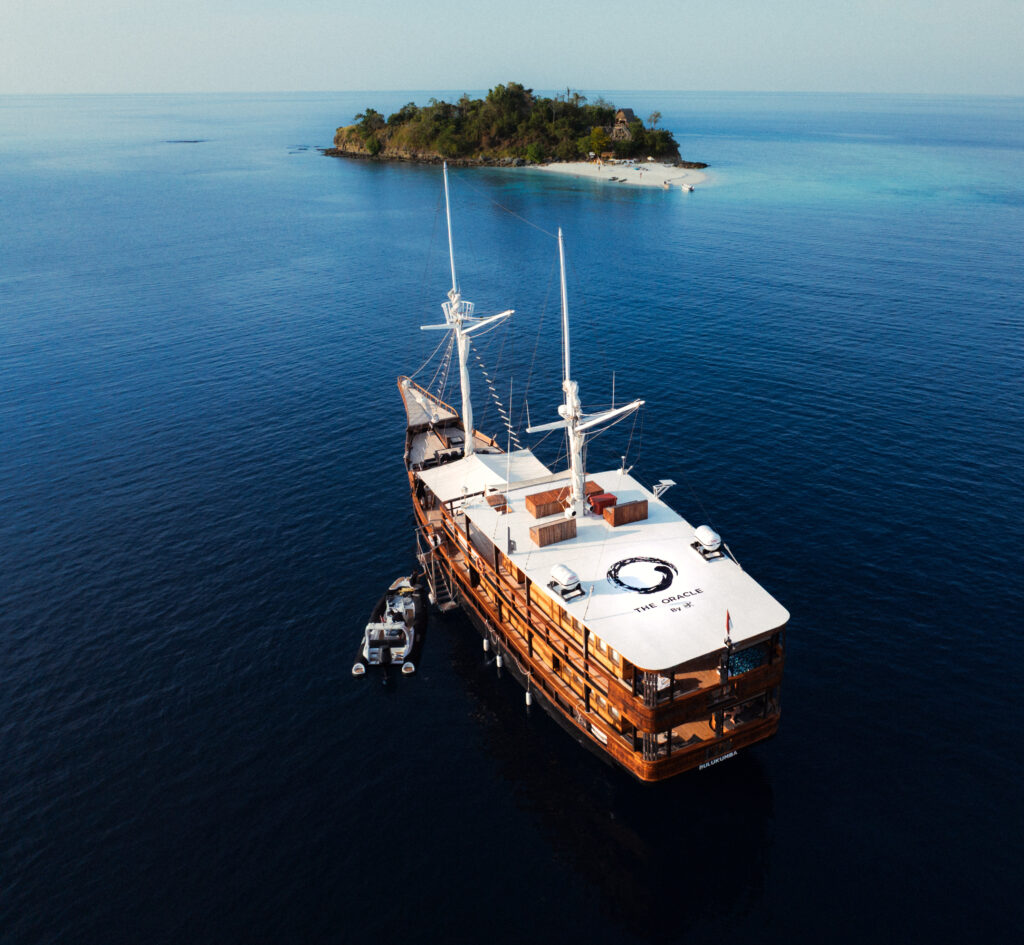
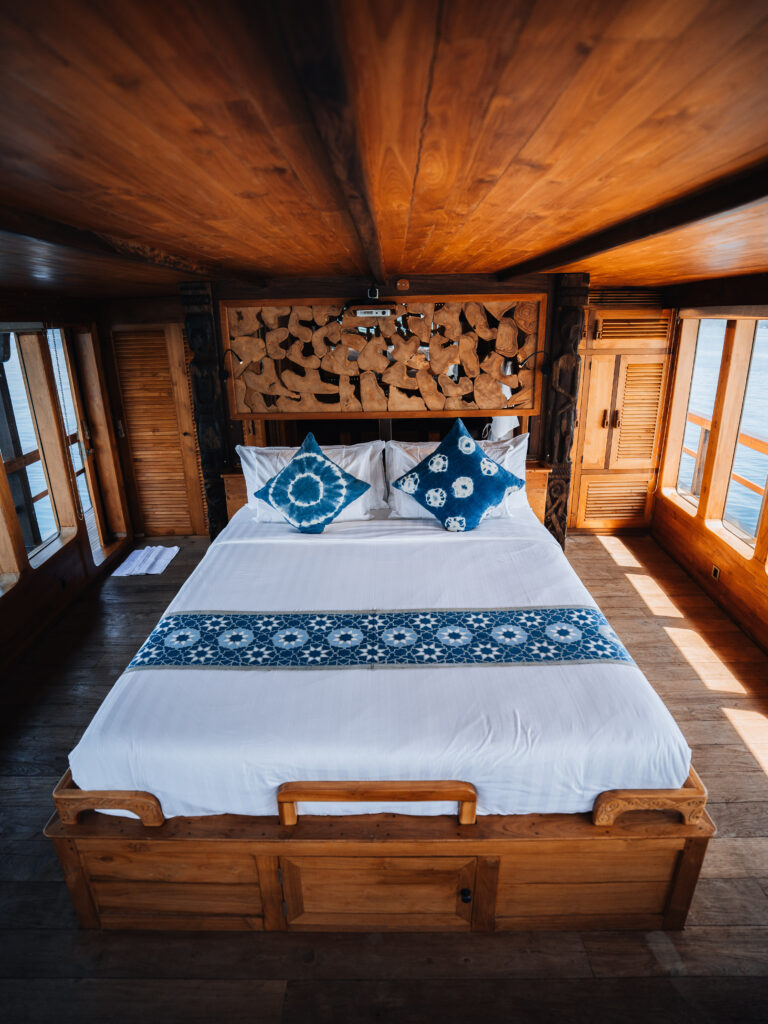
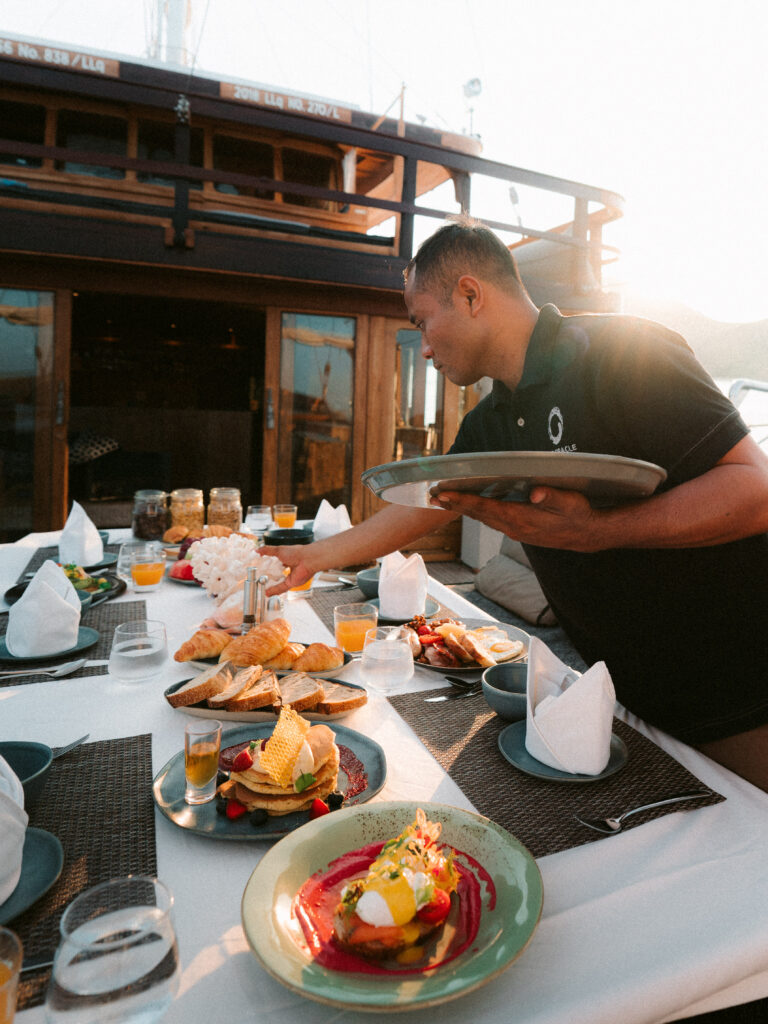
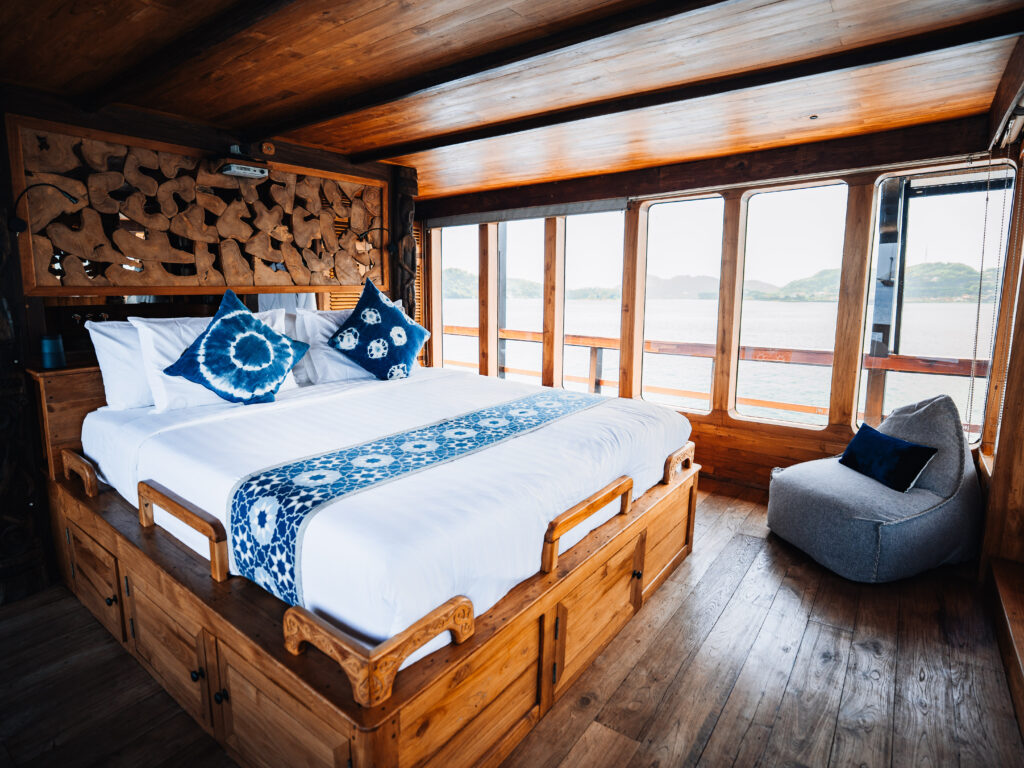
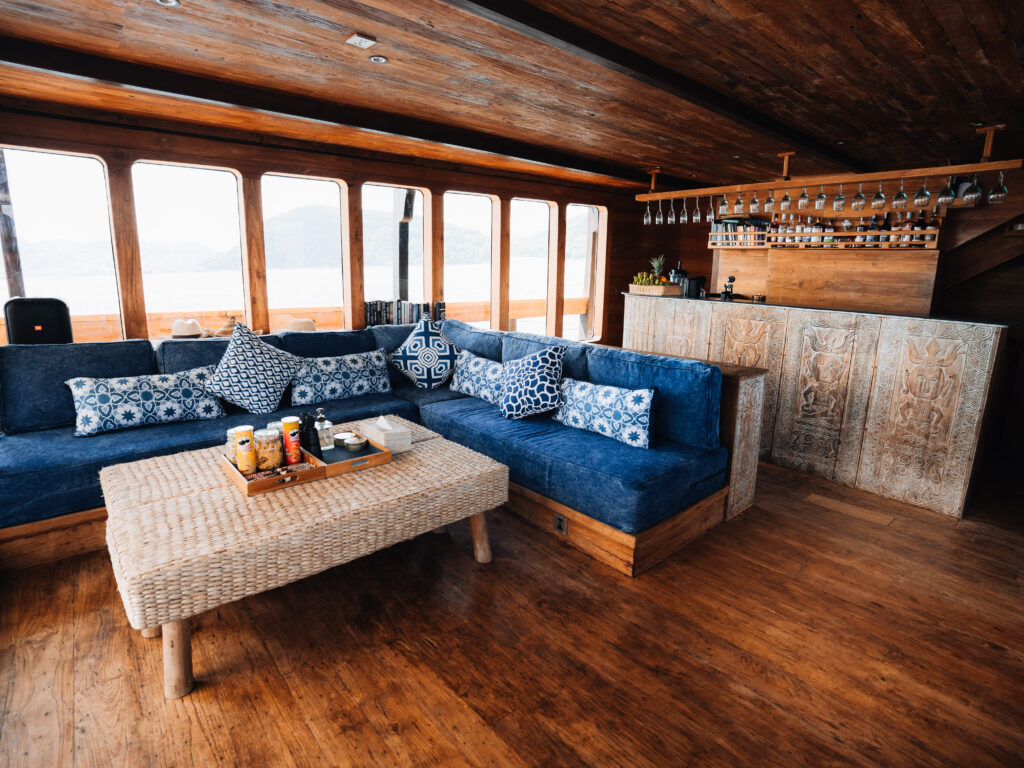
If you are looking for a highly personalized and intimate journey, The Oracle is an excellent choice. Accommodating up to six guests, this boat is designed specifically for couples and small groups of friends.
It is the perfect vessel to book for a private, quiet escape during the sunny dry season, allowing you to explore the islands at your own relaxed pace.
2. Lamain II Yacht
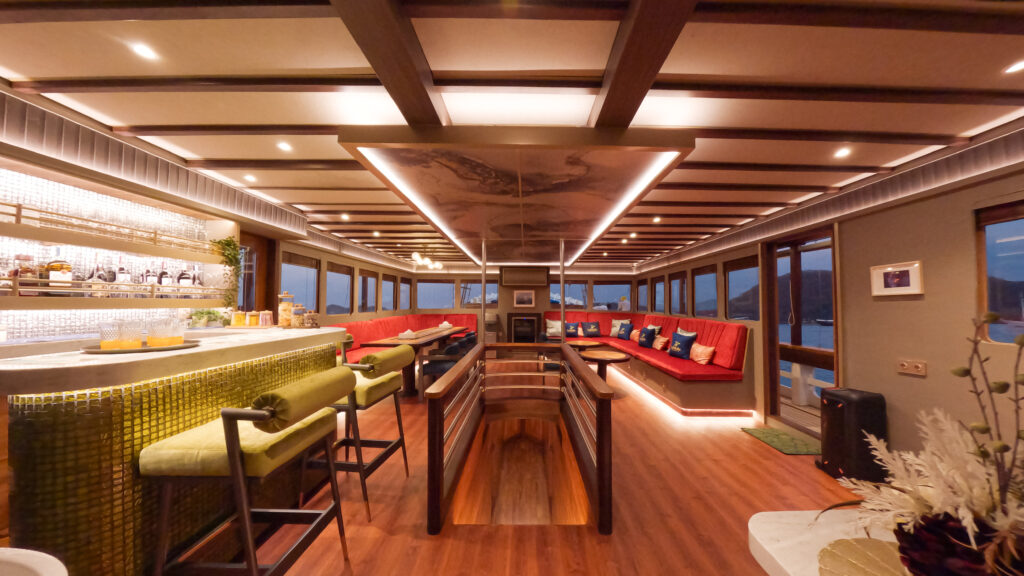
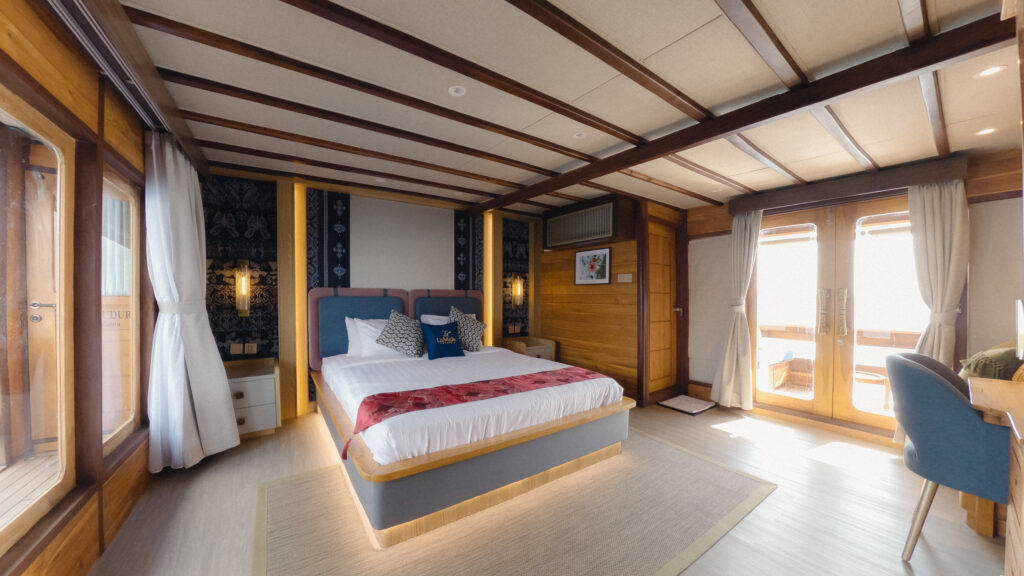
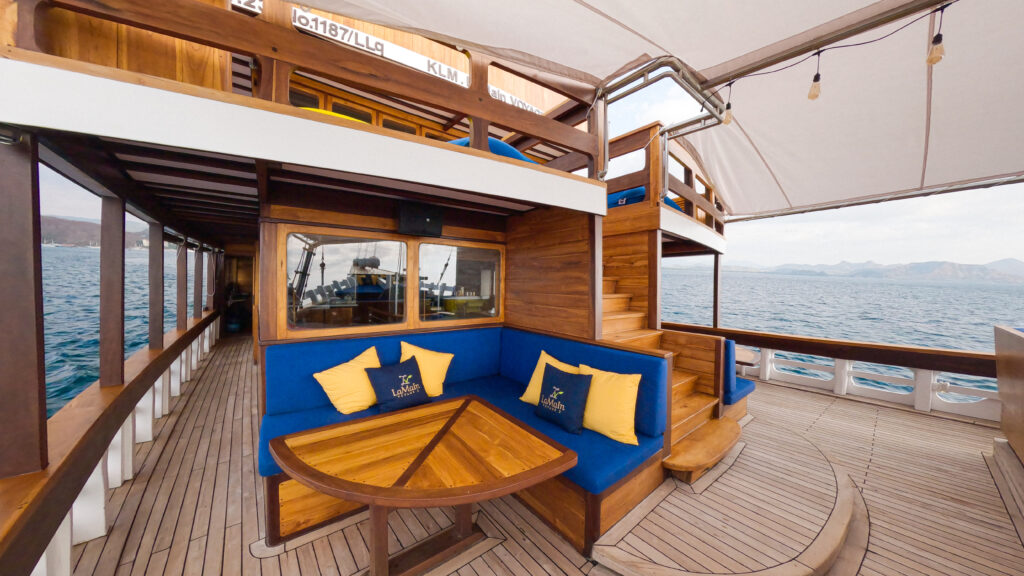
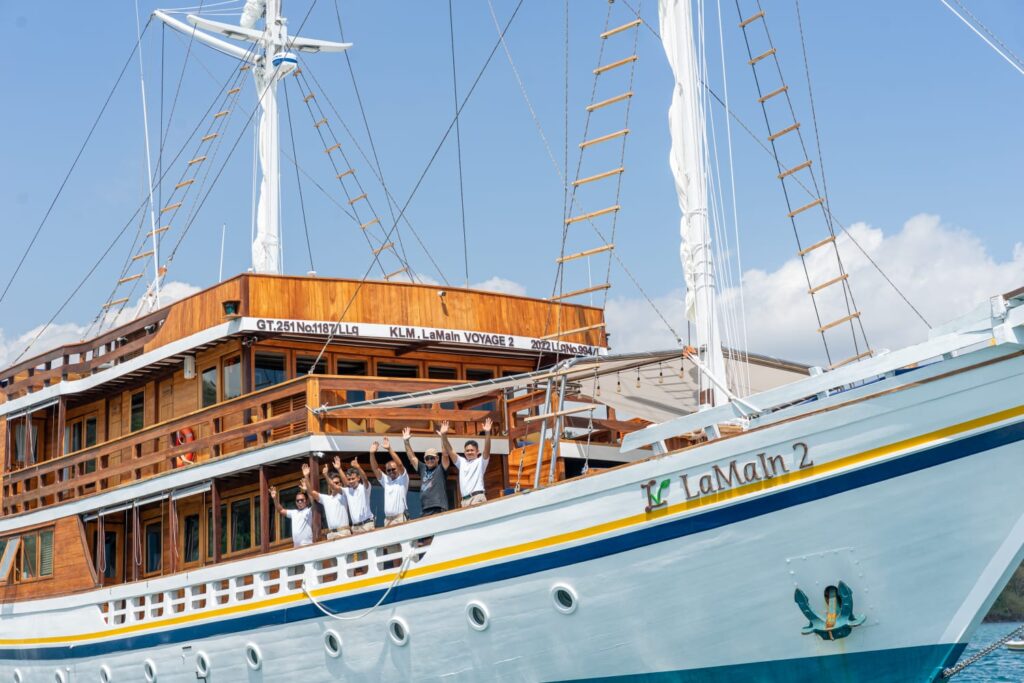
Traveling with a big family or a large group of friends? The Lamain II is built to handle it comfortably. With enough space to host up to 20 guests, it ensures everyone can stay together on one boat.
Because of its large capacity and spacious decks, it is the ideal choice for securing your group's vacation during the busy peak season.
3. Dewata Yacht Charter
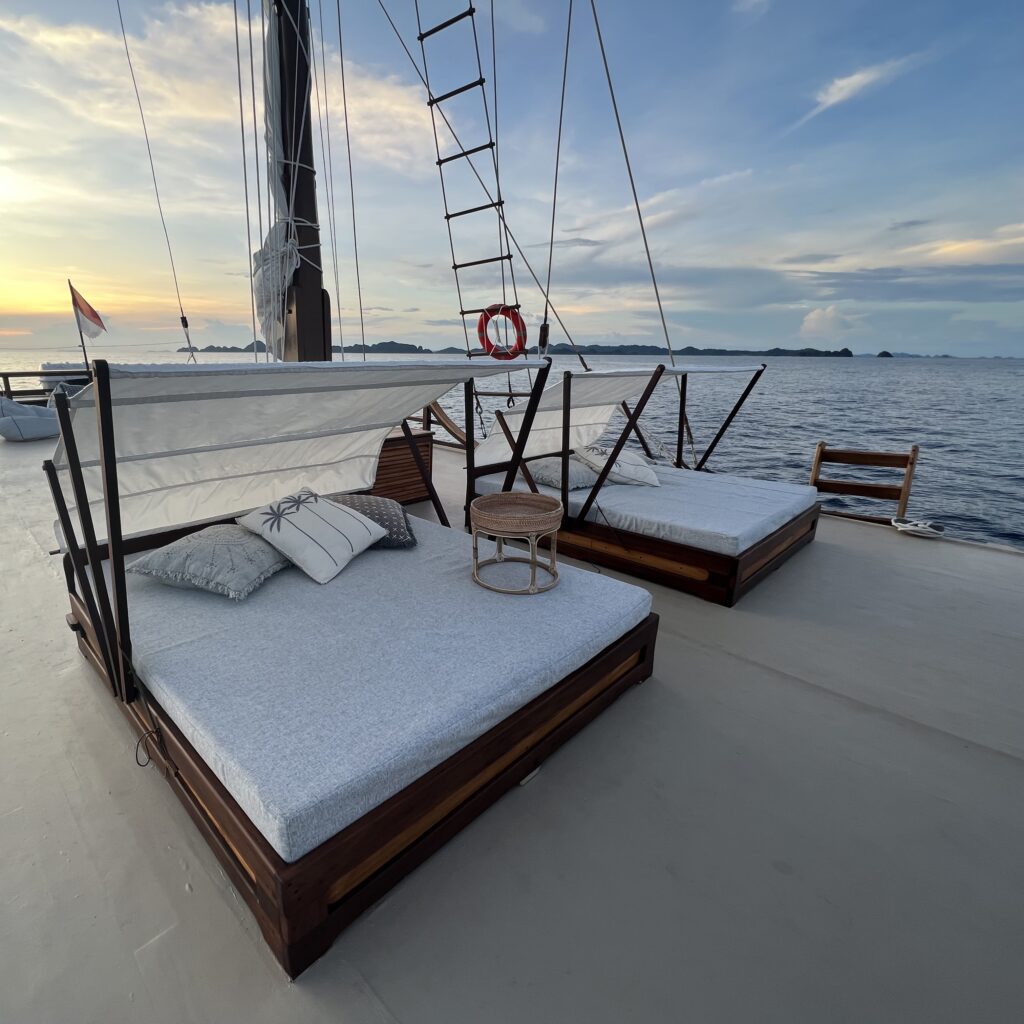
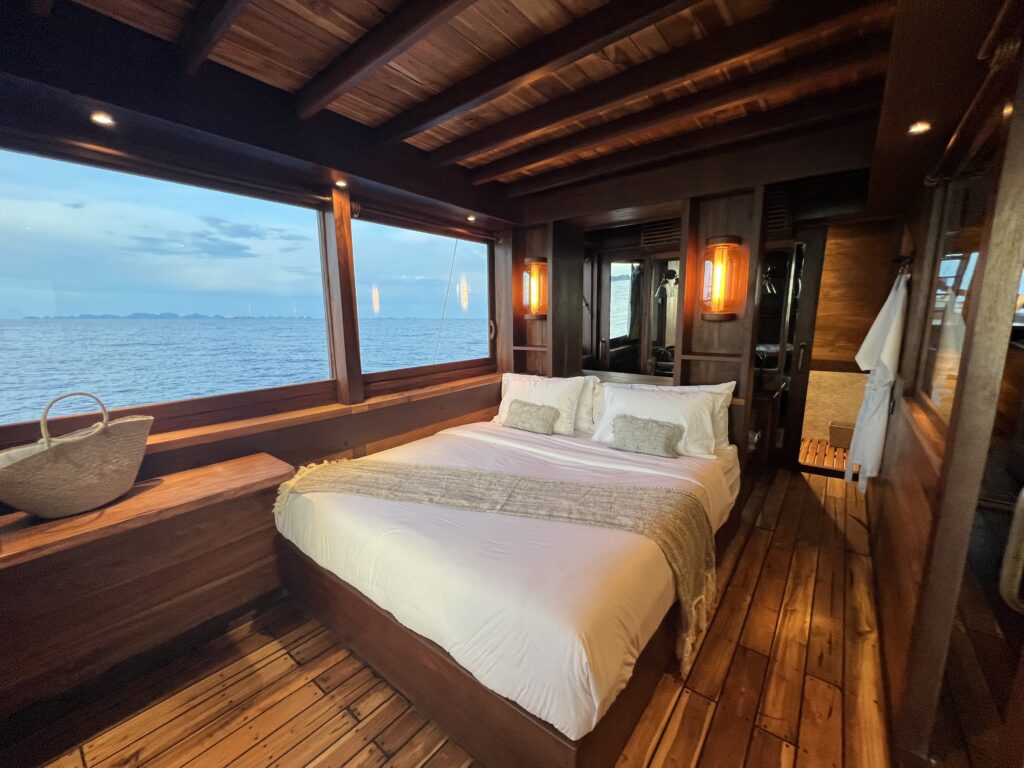
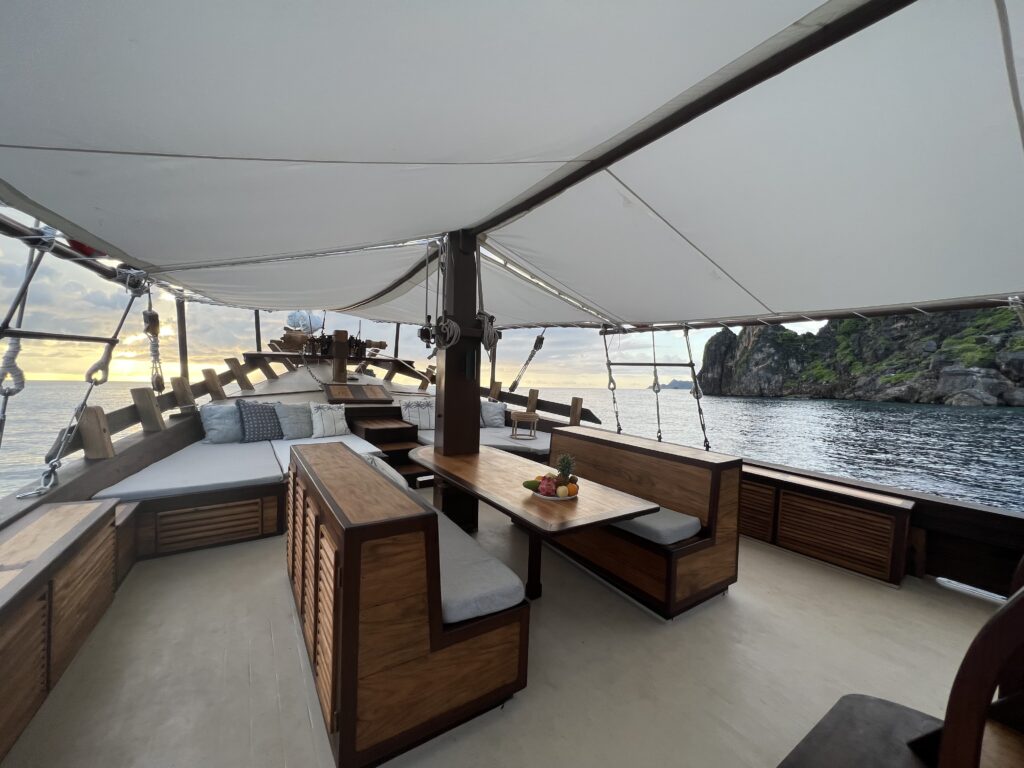
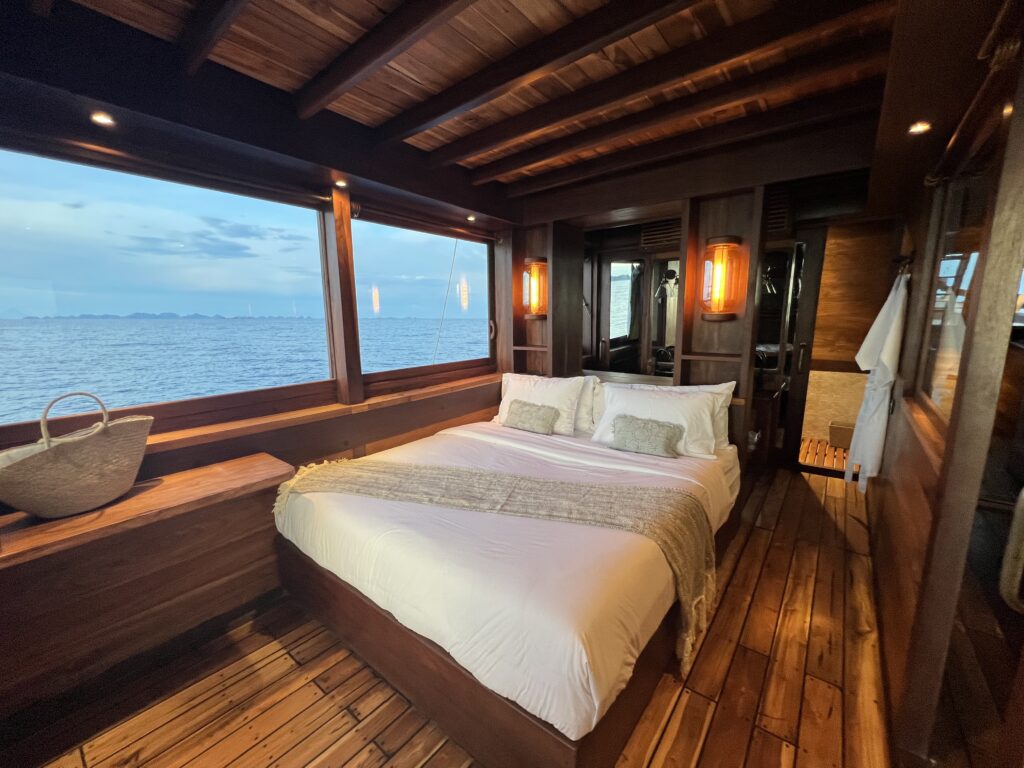
This beautiful boat is tailored perfectly for romantic trips and intimate getaways. With a cozy capacity of up to six guests, it offers a peaceful and private setting on the water.
The Dewata truly shines as a shoulder season specialist, giving couples a magical and quiet experience when the weather is still lovely, but the park's crowds have thinned out.
4. Nataraja Luxury Yacht
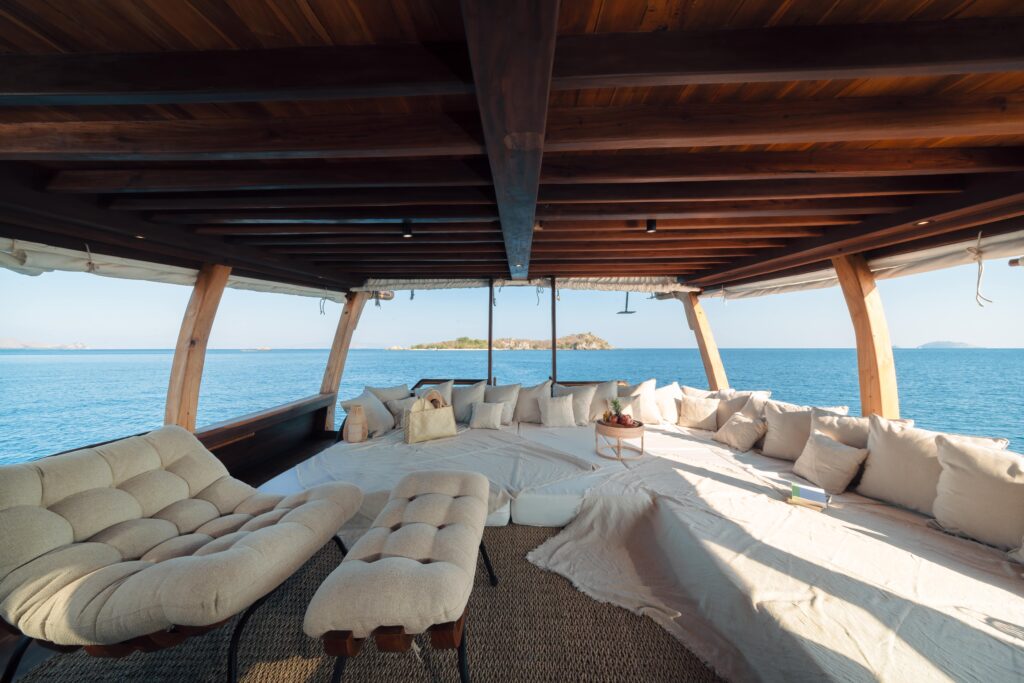
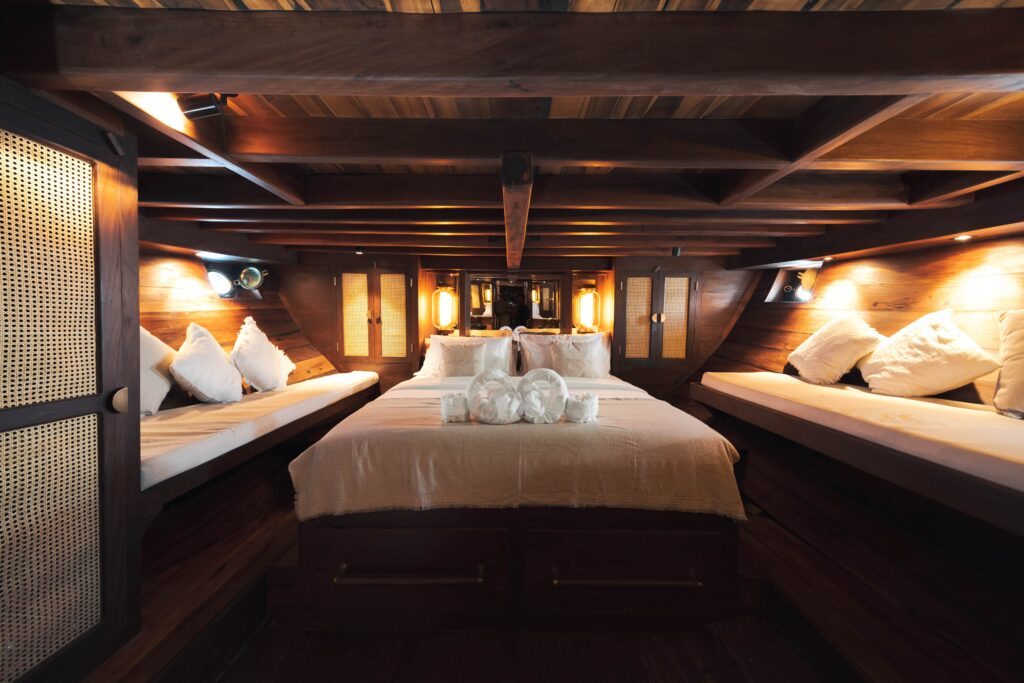
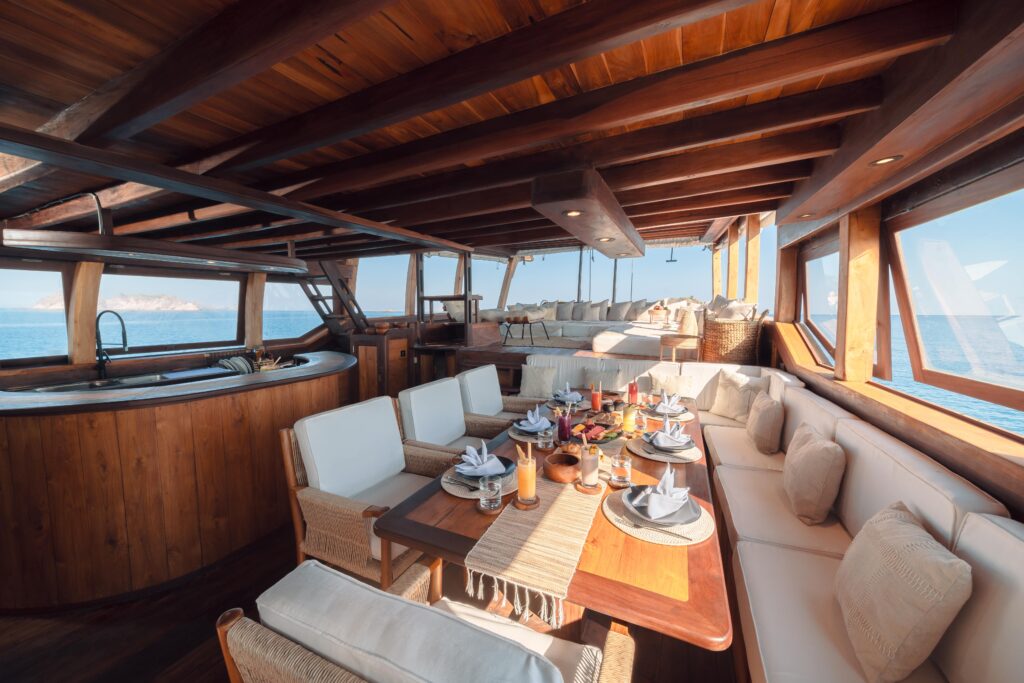
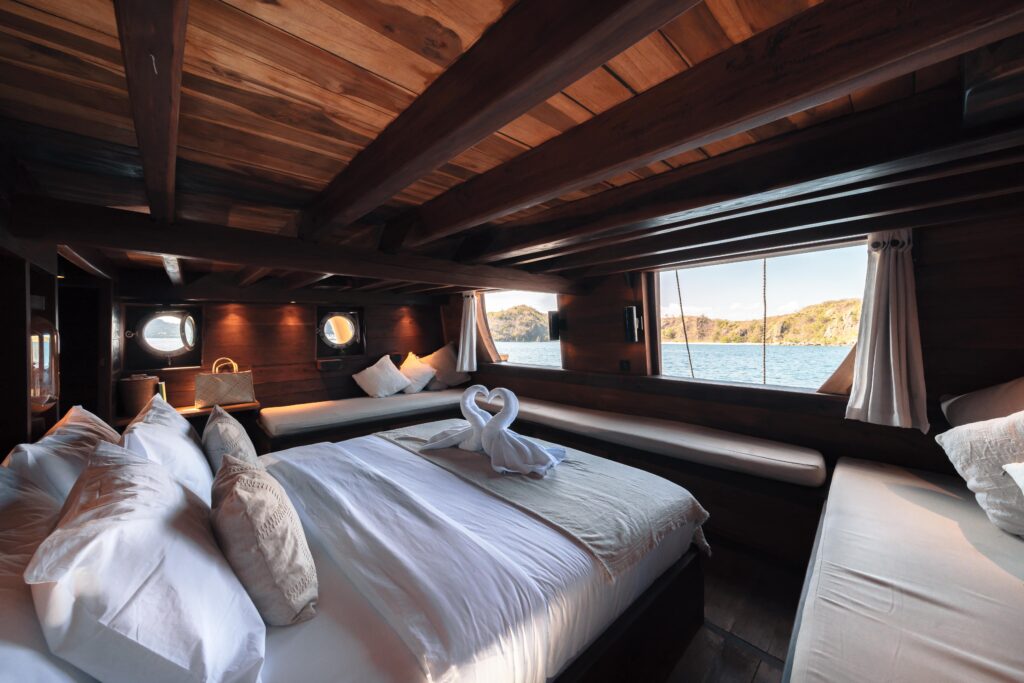
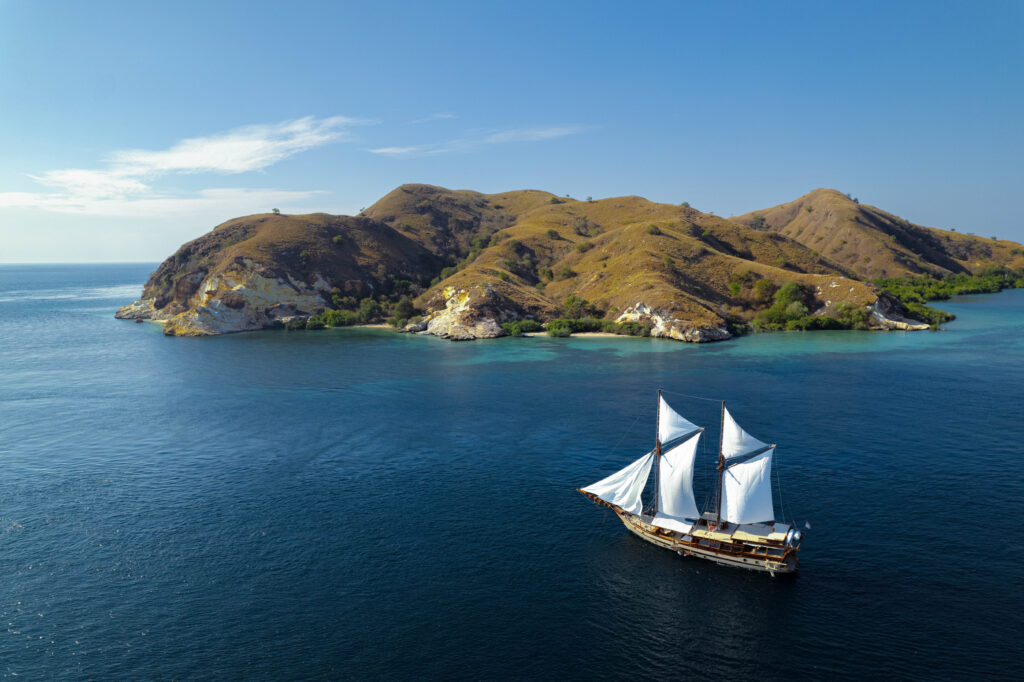
Designed for those who want a touch of adventure mixed with luxury, the Nataraja is a fantastic fit for active travelers. It comfortably hosts up to eight guests, making it a great basecamp for a small group of explorers.
We highly recommend this yacht for late dry season trips, when you can enjoy clear skies and the rugged island landscapes.
5. Pinta Liveaboard
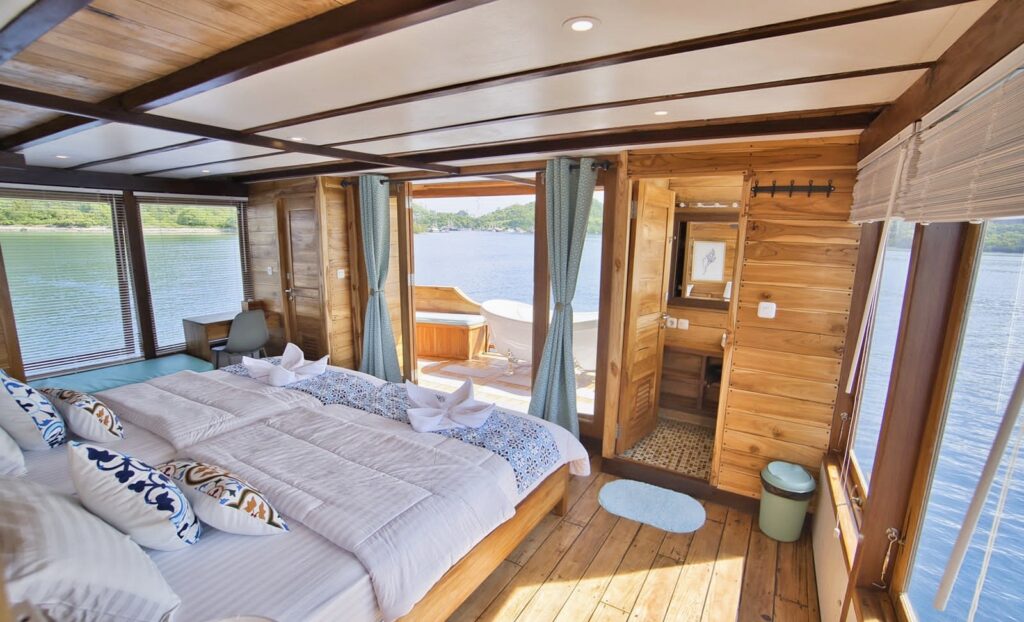
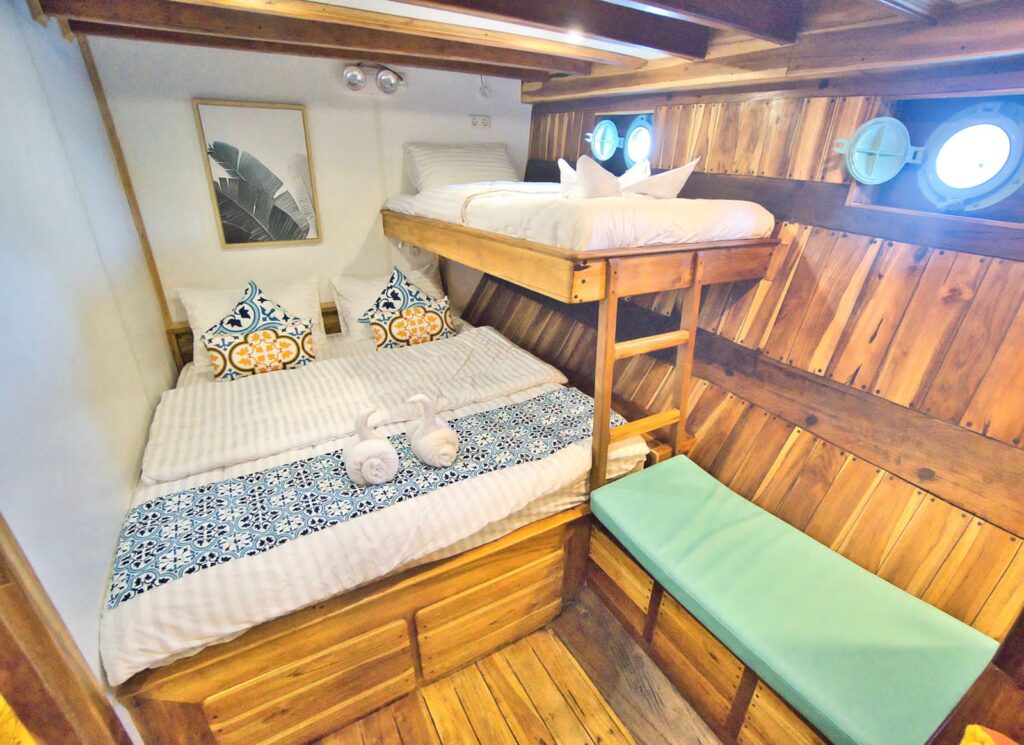
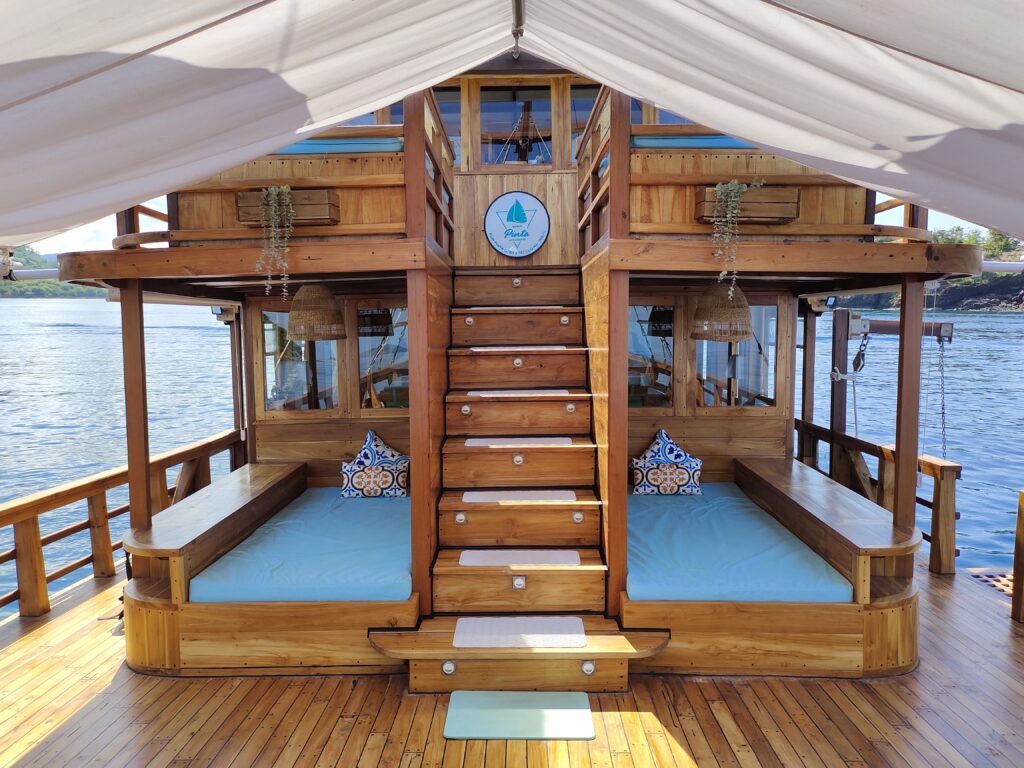
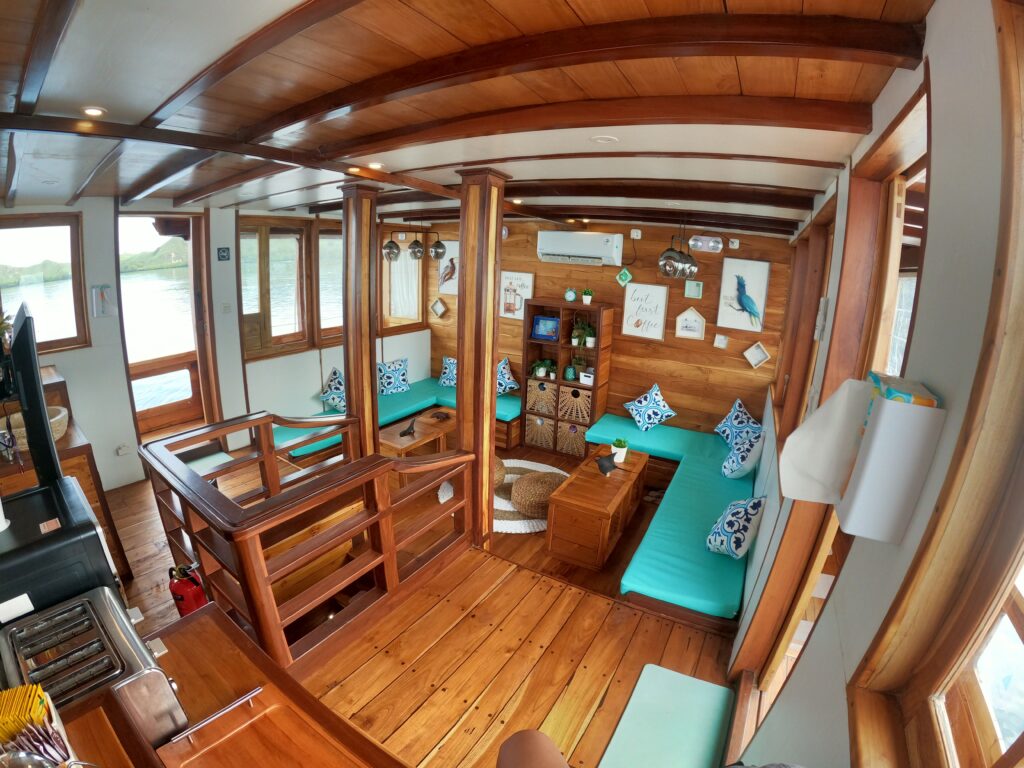
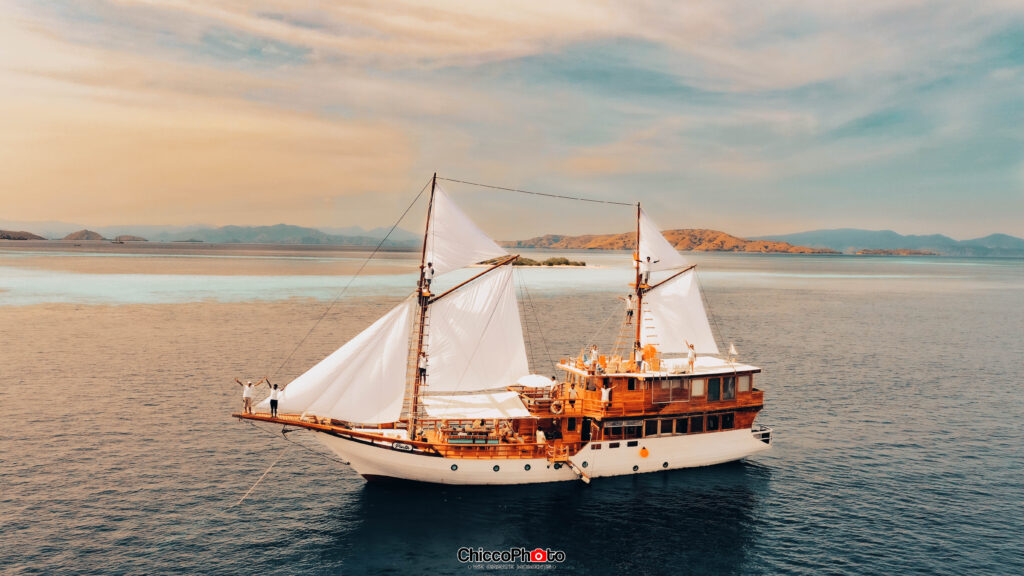
When you have a medium-to-large party and want plenty of room to socialize, the Pinta is a wonderful option. Welcoming up to 13 guests, it strikes the perfect balance between spaciousness and a close-knit group feel.
It is a very reliable and popular choice if you are planning a memorable group charter during the beautiful peak summer months.
Not sure which yacht fits your dates and group size? Contact the Hello Flores team, they'll match you with the right boat within 24 hours.
How to Get to Komodo — Planning Your Arrival
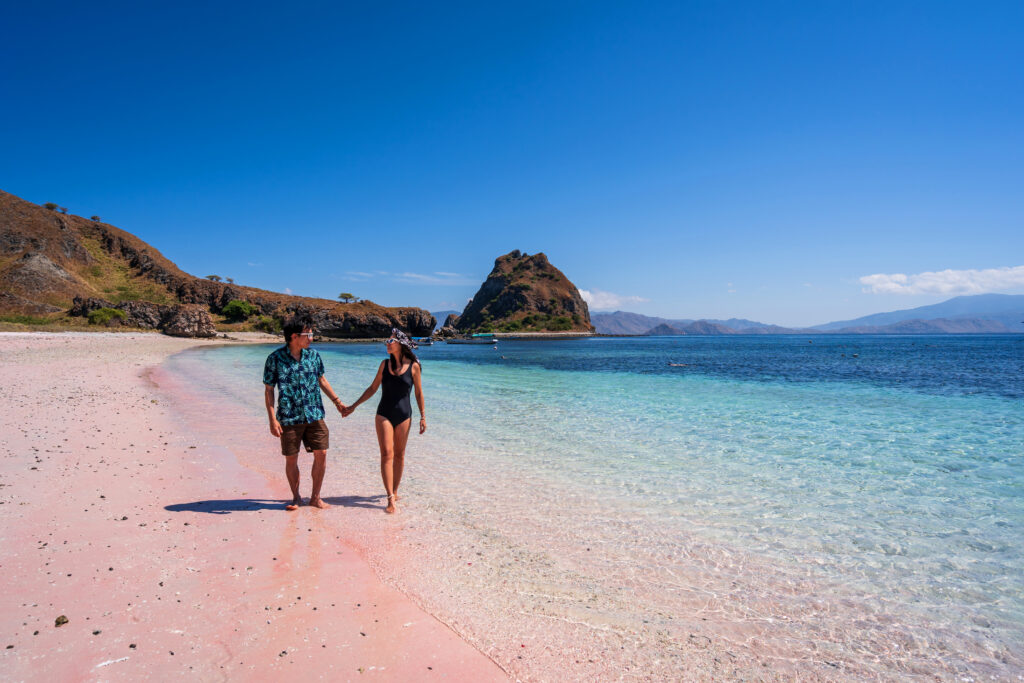
To reach Komodo National Park, book a flight to Labuan Bajo (airport code: LBJ) on the island of Flores. You can catch a direct flight every day from Bali (about 1.5 hours) or Jakarta.
Follow these simple timelines to secure your trip:
- Peak Season: Book your flights and boat 3 to 6 months in advance.
- Shoulder Season: Book 4 to 6 weeks ahead of time.
Pack smart based on when you travel:
- Dry Season: Bring reef-safe sunscreen, light breathable clothes, and a good sun hat.
- Wet Season: Pack a lightweight rain jacket, dry bags for your electronics, and hiking shoes with a good grip for muddy trails.
Ready to Plan Your Komodo Sailing Trip?
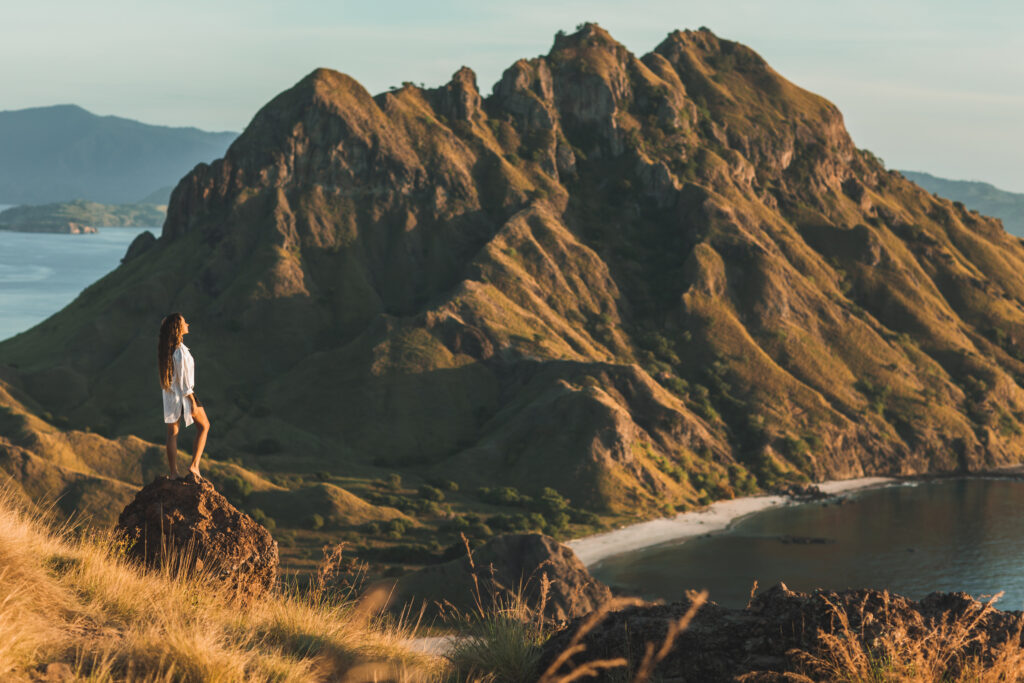
To recap, the absolute best months for most travellers to take a Komodo sailing trip are from May to August. During this window, you get the best weather, the calmest seas, and incredible wildlife viewing.
Planning a trip halfway across the world can feel overwhelming, but you do not have to do it alone. The team at Hello Flores handles everything from boat matching to itinerary planning, ensuring your vacation is entirely stress-free.
Ready to cast off? Book your trip with Hello Flores and secure your dream vacation.
Frequently Asked Questions
May to August is the best time. Seas are calm, skies are clear, and diving visibility peaks, making it perfect conditions for a Komodo liveaboard.