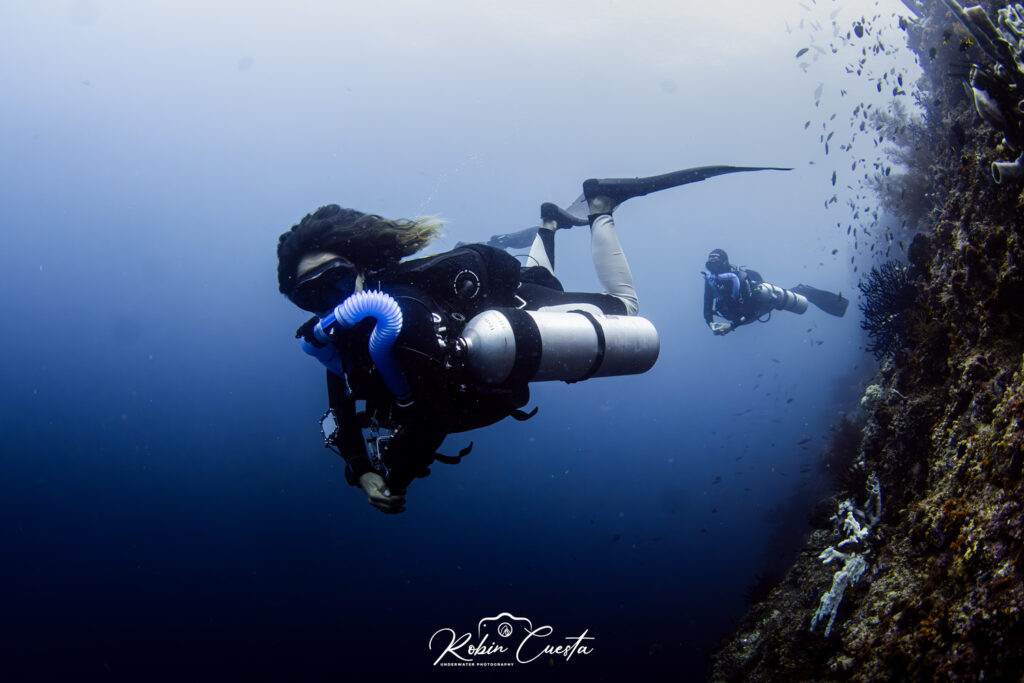
After years of sailing the region, Audrey feels Komodo is more than just a workplace; it’s a sanctuary that restores balance and inner peace. As the Cruise Director of the Jakare Liveaboard, she has spent years exploring Indonesian waters, developing a deep understanding of the region’s tides, marine life, and local culture.
If you are looking for an utterly wild adventure, from adrenaline-pumping drift dives to hikes offering breathtaking island vistas, Audrey's insights offer the perfect roadmap for your next Komodo tour. Here is her perspective on the changing face of Komodo, alongside her ultimate Komodo diving guide for exploring it.
The Changing Face of Komodo
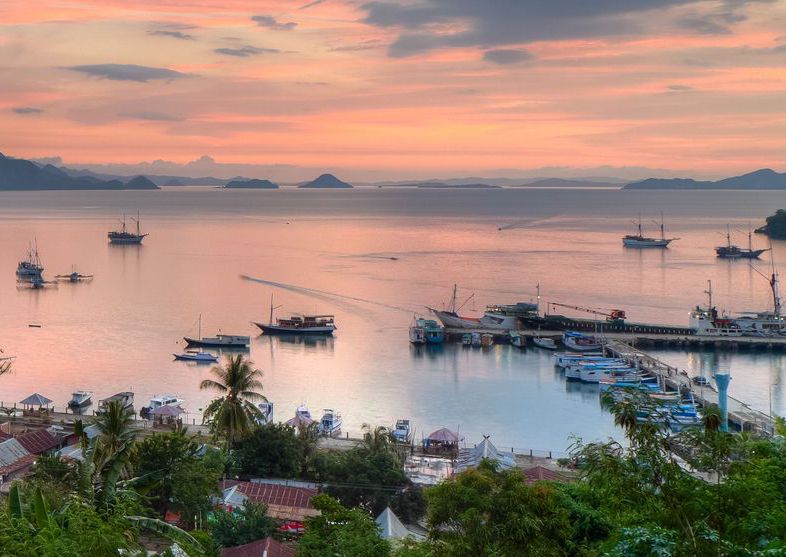
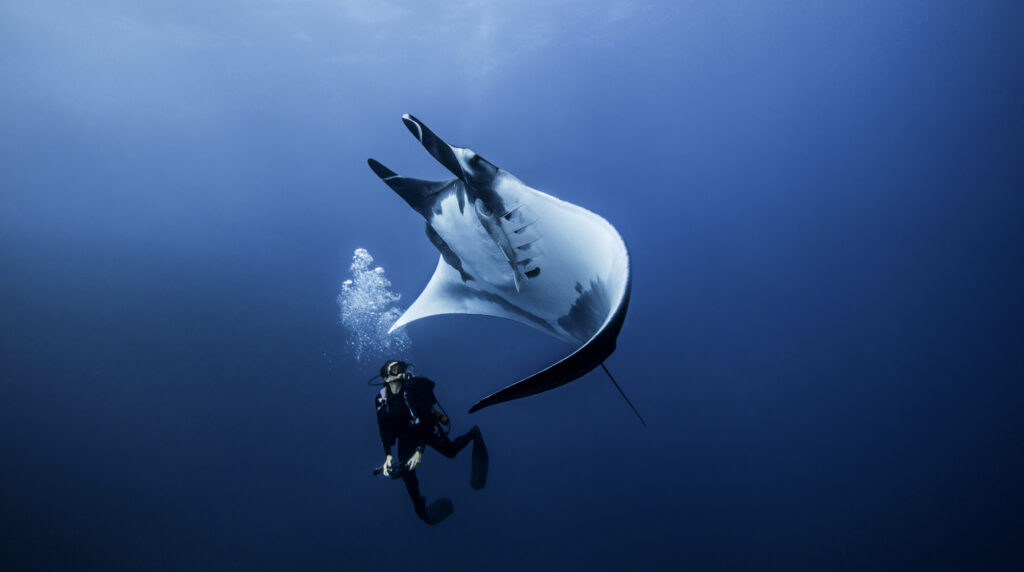
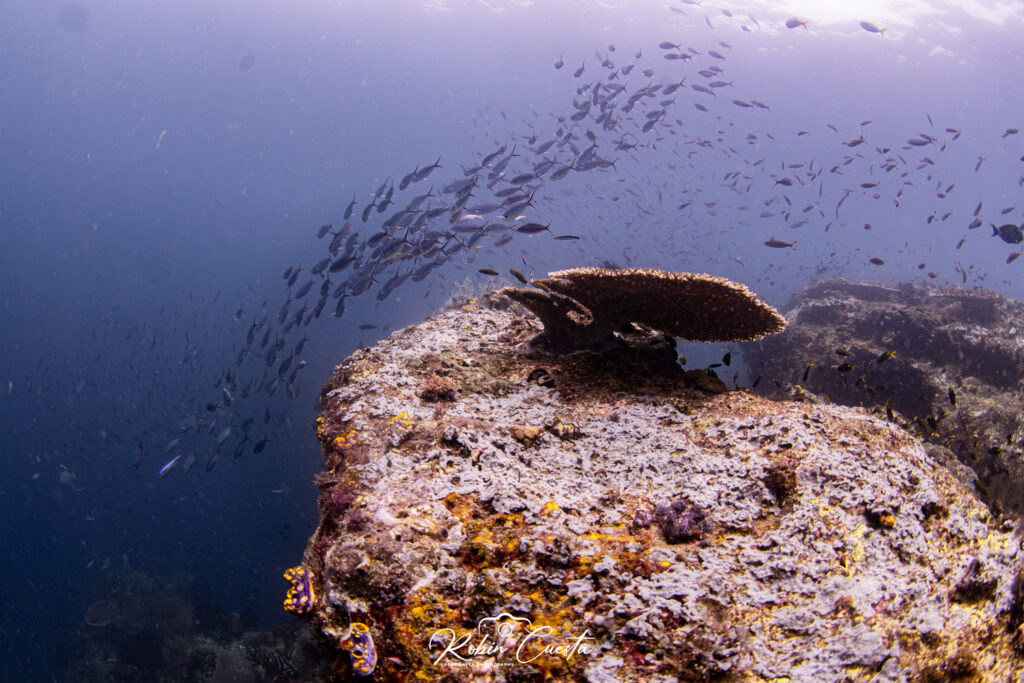
On her first Labuan Bajo trip and visit to Komodo in 2015, she fell in love with the underwater spectacle: thousands of fish, bannerfish, bluefin trevallies, giant trevallies hunting alongside sharks, Napoleon wrasses, eagle rays gliding by, a manta ray coming in for a 'high five,' and turtles, all wrapped up with billions of anthias dancing around her.
For her, Komodo is unique; its powerful, sweeping currents are clear evidence of waters constantly renewing themselves. But even with that natural resilience, the rapid expansion of tourism and the bustling growth of Labuan Bajo have left their mark.
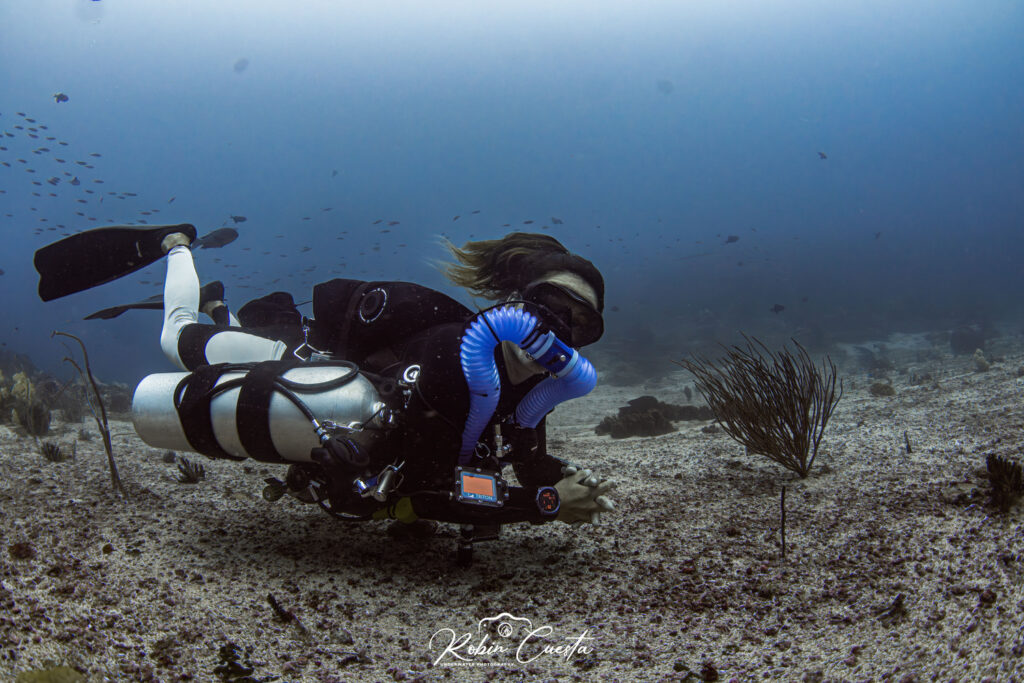
Her observations align with broader environmental reports. Over the past decade, Komodo National Park has experienced a significant rise in mass tourism, bringing increased pressure to both its terrestrial and marine habitats through unregulated tour operations and destructive anchoring practices.
Yet, Audrey has also witnessed the ocean's quiet resilience. “It was a devastating time for humanity; for our health, our economies, and our communities, but for nature here, it felt like a collective deep breath. It was a gift of healing,” Audrey explains. Despite the growing crowds, the corals are still blooming, and the fish still wait in the currents.
For those who have never booked a Komodo tour or have no idea what this archipelago looks like, Audrey paints a vivid picture: “If I had to paint a picture of Komodo, I’d tell you to prepare yourself for something deeply athletic, challenging, and utterly wild. It’s a place of breathtaking contrasts, changing entirely across two distinct seasons.”
Understanding the Wild Waters
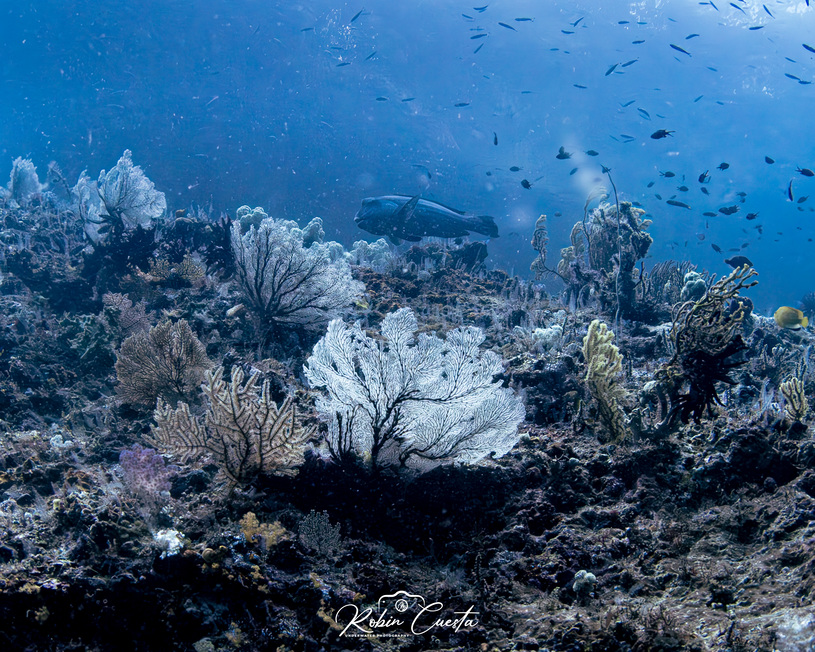
To truly get the best way to explore Komodo islands, one must understand its wildly contrasting seasons and dynamic conditions. The park sits at a unique oceanographic crossroads where warm Pacific seas meet colder Indian Ocean currents.
As these waters move through narrow channels like the Lintah Strait, they create the powerful tidal currents that make Komodo famous. According to Audrey, the park transforms entirely across two distinct periods:
1. The Dry Season (May to October)
The islands turn into a sun-drenched, yellow and orange savanna. In North Komodo, the water is warm and crystal-clear, typically ranging from 27°C to 29°C. Meanwhile, the south becomes a different world: cold, dramatic, and nutrient-rich, serving as a feeding ground for gliding manta rays. In these southern waters, the upwelling of deep-sea nutrients can drop water temperatures to 22°C–25°C.
2. The Wet Season (November to April)
The landscape erupts into a vibrant, brilliant green. During this time, the southern dive sites open up with stunning visibility, revealing mysterious cracks, caverns, and swim-throughs.
Audrey’s Top Dive Site Recommendations
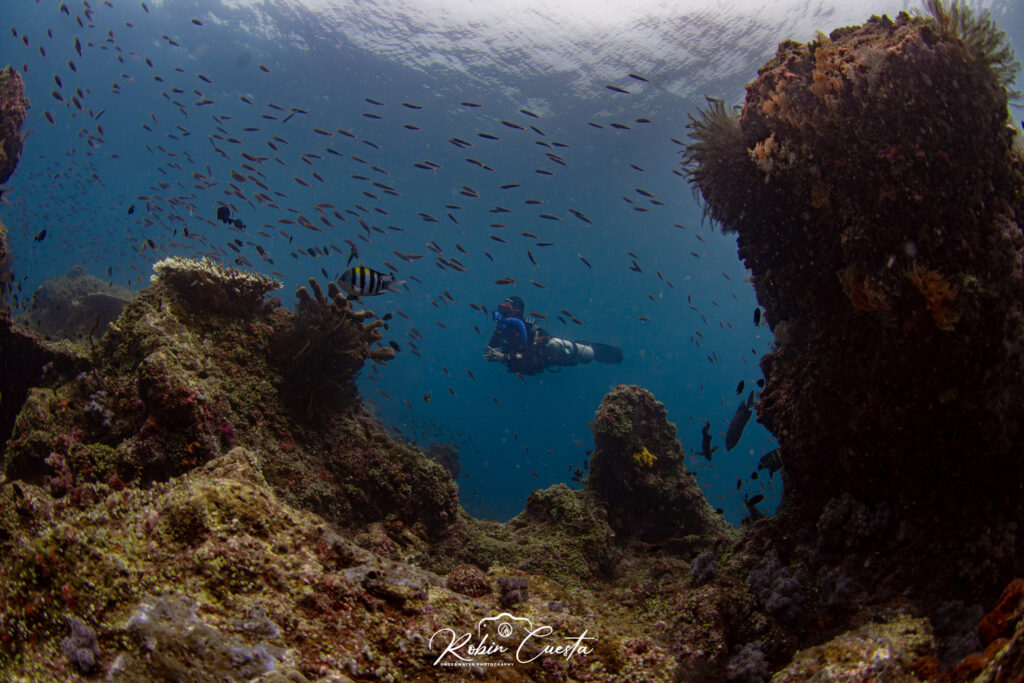
Because the conditions are constantly shifting, Audrey insists that diving in Komodo National Park means you can dive Komodo ten times and have ten completely different experiences. If you are looking for the best diving spots in Komodo, here are her top picks for every type of diver:
1. For Dramatic Topography (Central Komodo)
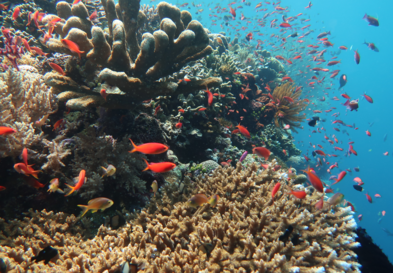
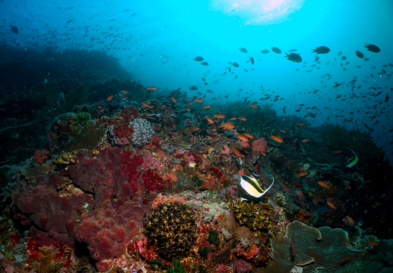
Audrey loves Police Corner and Tatawa Kecil. These sites boast massive bommies, pinnacles, open caves, and fierce currents that keep divers on their toes.
2. For Muck-Diving and Macro Life
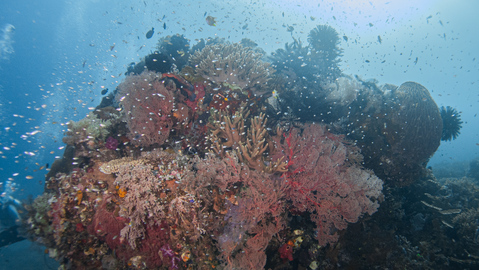
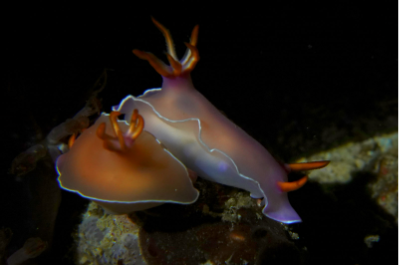
Waenilu has her heart, as it is a perfect place for muck diving and a renowned site for macro photography. It is a paradise for finding tiny, bizarre creatures during both day and night dives.
3. For High Adrenaline (North Komodo)
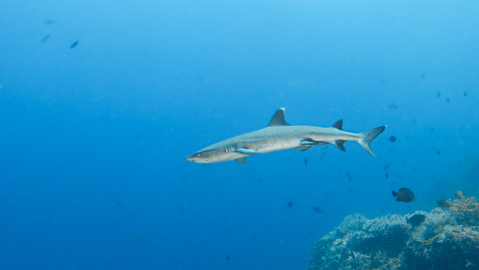
Crystal Rock never disappoints. Free-falling into the blue current here allows divers to watch reef sharks hunt as if they were sitting in front of a giant cinema screen.
4. For Rare Encounters (South Komodo)
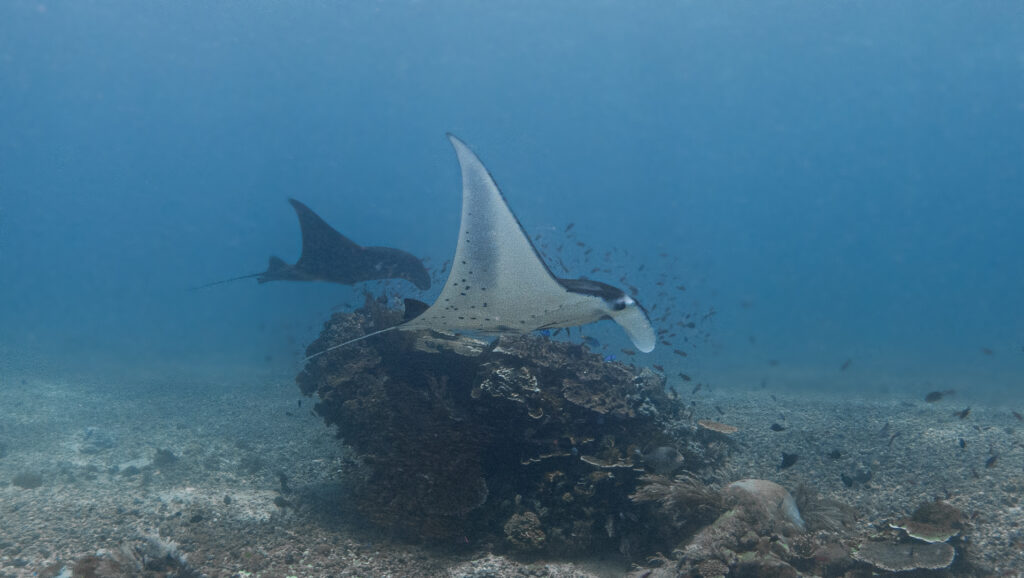
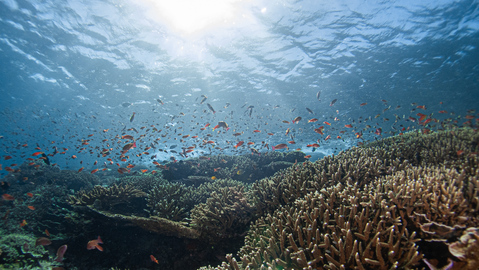
Secret Garden is a deep love of hers. Though it can be cold during the dry season, the breathtaking rewards include frogfish, ghost pipefish, and schools of mobula rays gliding past in the blue.
Beyond the Blue: Must-Visit for Island Hopping
Audrey’s profound connection to the region extends far beyond the boat. For travelers looking to explore on land during their Komodo island tour, she highly recommends these unforgettable destinations, which are undeniably the best islands to visit in Komodo:
1. Padar Island
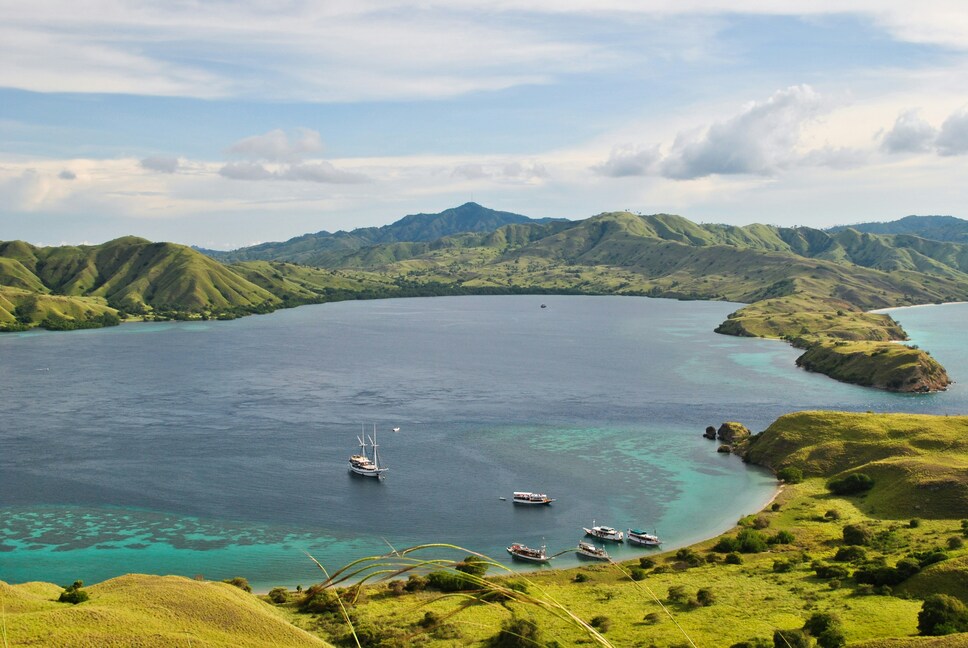
Famous for its iconic postcard view of the park. Audrey’s golden rule here is to time your hike perfectly to beat the heavy tour groups. She suggests that booking a Komodo liveaboard is the perfect choice over a day boat tour; sleeping in the middle of the ocean allows you to take an early trek to catch the breathtaking sunrise view on Padar Island.
2. Gili Lawa Darat
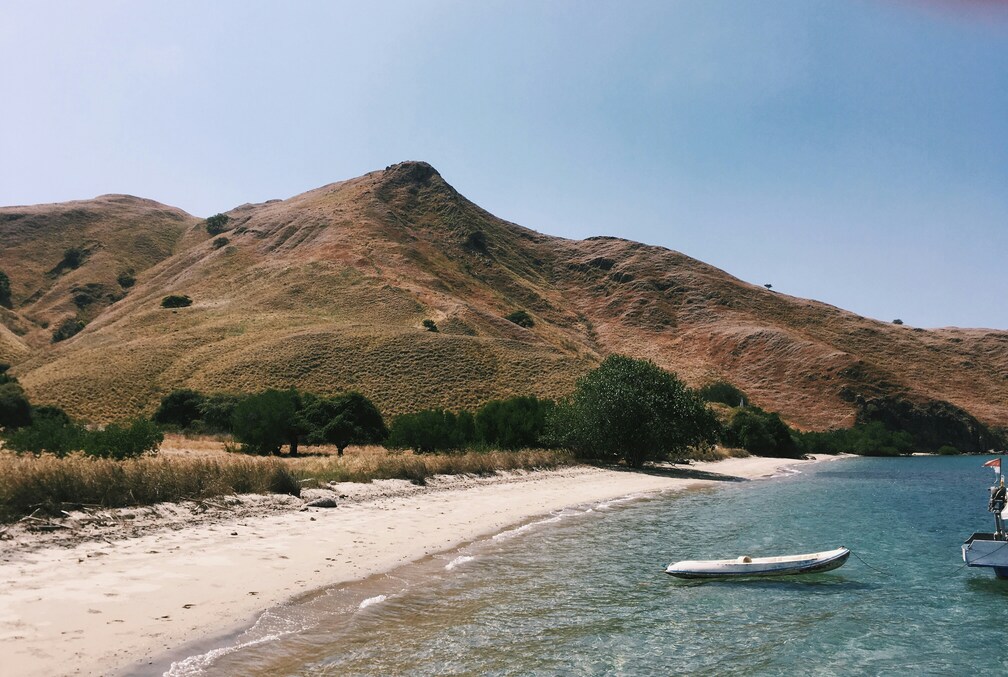
Gili Lawa Darat is an amazing location for a quiet sunset or a crisp sunrise hike. It also tends to be quieter with fewer crowds than Padar Island. The most rewarding part of this destination is reaching the peak, where you get a front-row seat to watch the powerful currents rushing through the Golden Passage and The Cauldron below.
3. Wae Rebo
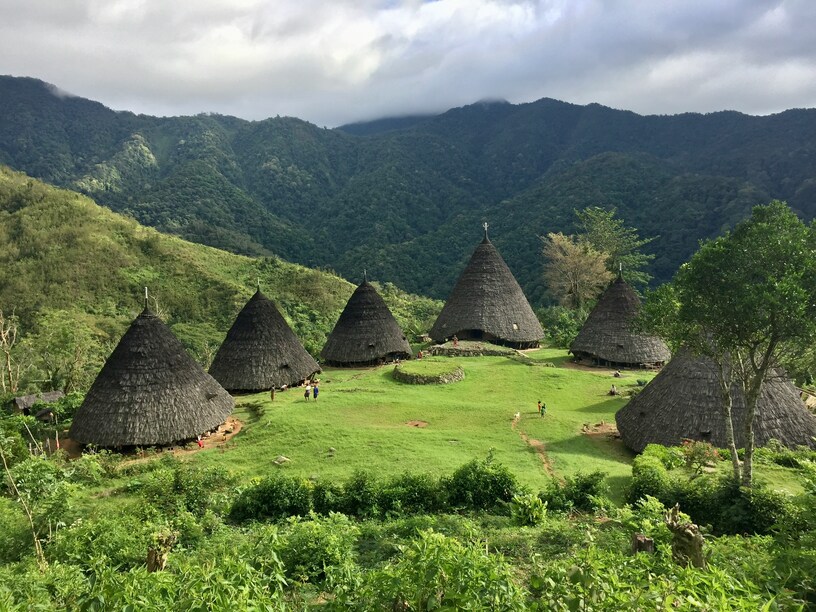
Locals often call it the "village above the clouds," as it requires a short trek to reach (around 2-3 hours trekking from Denge Village). It offers a deeply immersive cultural experience in the Manggarai Regency.
Though the trek is long for some visitors, it rewards visitors with local storytelling, traditional food, and a spectacular sunrise. The village was awarded the prestigious Award of Excellence in the 2012 UNESCO Asia-Pacific Awards for Cultural Heritage Conservation.
Beyond the unique architecture of its houses, the village is truly special because its population is strictly limited to just 44 families, all dedicated to preserving their ancestral traditions for generations.
4. Kelimutu Lake (Flores Island)
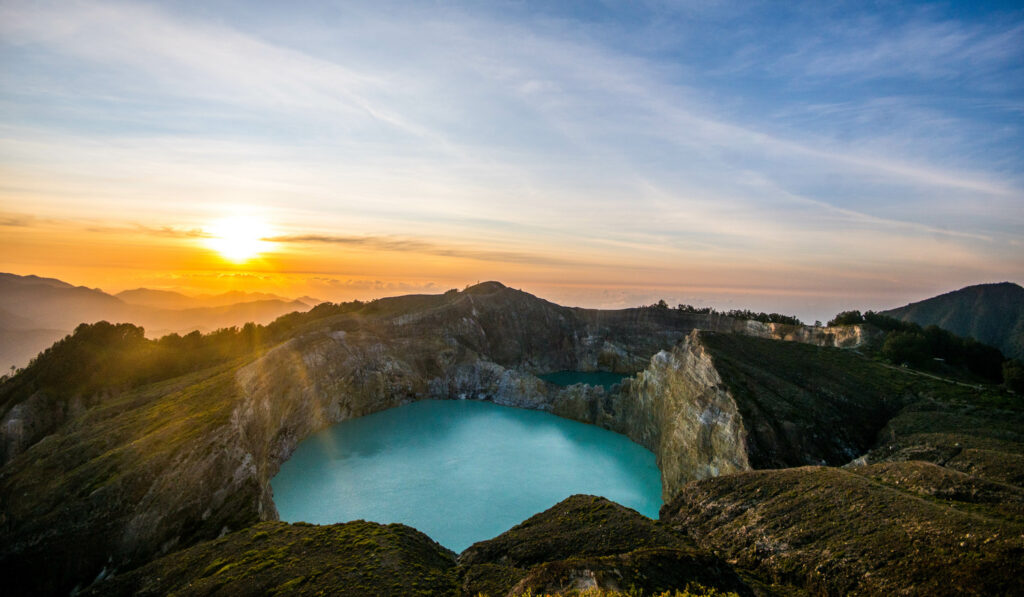
Famous for its three distinct crater lakes, each a completely different and shifting color. Depending on the time, the water can appear blue, red, or black. Located in Pemo Village at 1,639 meters above sea level, it requires just a 30-minute trek from the parking area to see the lakes.
5. Bajawa
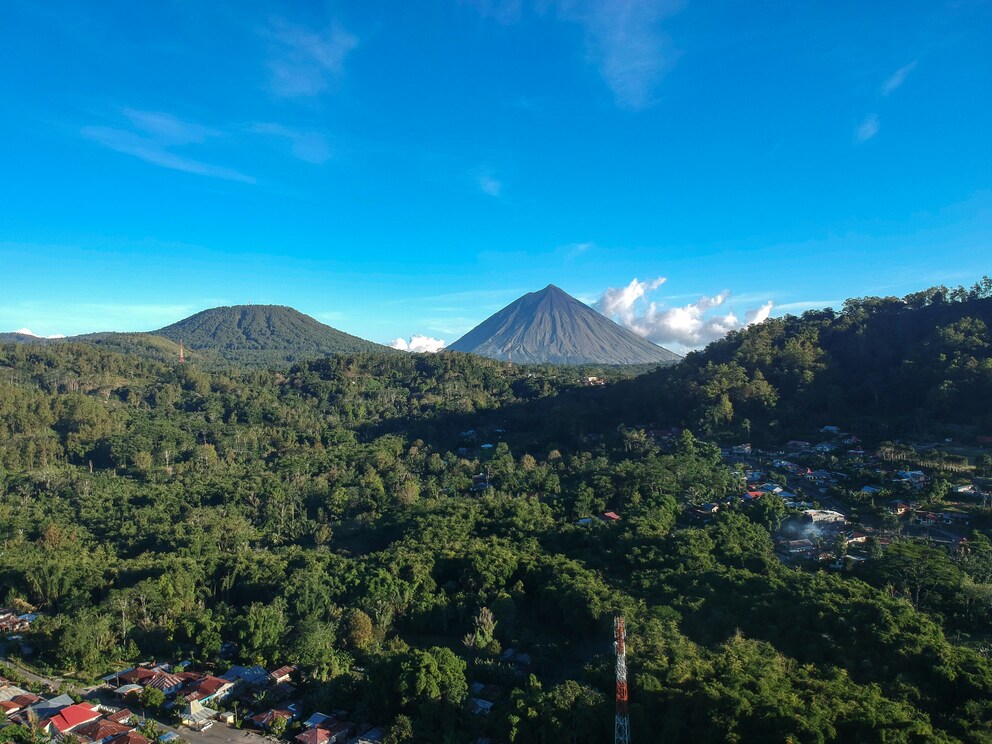
Audrey’s absolute favorite spot in East Nusa Tenggara, packed with hot springs, volcano trekking, traditional villages, and reggae nights. This area is also known for its world-famous coffee, which features unique tasting notes, a perfect balance of spices and fruitiness.
Nearby is the unique Kampung Bena, a megalithic village set against the backdrop of Mount Inerie. This village features prehistoric standing stones used for ancestral ceremonies, known as Ngadhu and Bagha. The area also boasts beautiful, untamed nature, including the stunning Ogi Waterfall.
Traveling with Care and Respect
When planning a Komodo tour, Audrey’s biggest piece of advice is to avoid the mistake of trying to check every single box. In such a dynamic environment, less is often more; it is better to slow down, consult a trusted Komodo diving guide, and trust the expertise of your crew.
Furthermore, exploring Komodo comes with a responsibility to protect it. Audrey urges visitors taking a Komodo boat trip to never feed the wildlife, avoid kicking the coral, and to take nothing but photos. This aligns perfectly with official marine conservation guidelines, which ask visitors to maintain good buoyancy, use reef-safe sunscreen to prevent harmful chemicals from entering the water, and reduce their reliance on single-use plastics.
By traveling responsibly and bringing proper gear, such as binoculars for spotting wildlife on the beaches and a thick wetsuit for sudden temperature drops, you ensure that the park remains a vibrant sanctuary for generations to come.
As Audrey beautifully summarizes: "If you truly know and love this place, it will still whisper its secrets to you."
If Audrey’s profound connection to these waters inspires you, there is no better way to experience your next Komodo tour than aboard the Jakare. Crafted with an eco-conscious design at its core, this stunning liveaboard ensures that your adventure actively respects the local marine ecosystems and champions sustainable tourism. It is more than just a vacation; it is an invitation to sail in true harmony with nature.
By choosing to explore responsibly, you directly help protect the delicate environments that make this archipelago so extraordinary. Ready to let the ocean whisper its secrets to you? Contact the Hello Flores team today to book your mindful journey and step into the wild, untamed beauty of Komodo.
Frequently Asked Questions
No, Komodo Island is not closing in 2026. However, starting in April 2026, the government is implementing a strict daily quota of 1,000 visitors across the national park to protect the ecosystem.